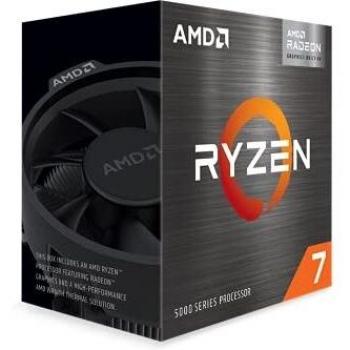
AMD Ryzen 7 1800X CPU


Sponsored This site contains affiliate links for which we may receive compensation. More information
Find other available options:

| Identifiers | |
|---|---|
| Model | AMD YD180XBCAEWOF |
| MPN | AMD YD180XBCAEWOF |
| Dimensions / Weight | |
| Key Features | |
|
64-bit Processing Indicates whether the processor in a computer or component can execute instructions using a 64‑bit address space. A value of "Yes" means the CPU can handle larger memory addresses and may improve performance for compatible software, while "No" indicates it is limited to 32‑bit operation.
|
Yes |
|
Clock speed The maximum operating frequency of a central processing unit (CPU) as specified by the manufacturer, expressed in hertz (Hz). This value indicates how many cycles per second the CPU can execute under normal conditions and is useful for comparing performance potential across different models.
|
3.60 GHz |
|
Component for Specifies the type of device or system that the product is intended to be used with, such as a PC, server, notebook, surveillance system, or other electronic equipment. The value represents a single category and can be used to filter or group products by their target platform.
|
PC/server |
|
Cooling The type of cooling mechanism used by a product, such as active fan‑based cooling, passive heat sinks, liquid cooling, or no active cooling. It indicates whether the device relies on airflow, conduction, or other methods to dissipate heat and helps users assess thermal performance and noise levels.
|
Cooler Not Inlcuded |
|
Core count The total number of physical cores in a processor, expressed either as a numeric value or in descriptive terms such as "Quad Core" or "Hexa Core". This attribute captures the core count information regardless of whether it is presented numerically or textually.
|
Octa Core |
|
Core name The designation of the processor core architecture or family, such as "Skylake", "Kaby Lake" or "Vishera". It identifies the specific micro‑architecture used in a CPU and helps users compare performance characteristics across different generations.
|
Summit Ridge |
|
CPU Family The processor family identifies the group or series of CPU models that share a common architecture, design, and performance characteristics. It helps users compare processors across brands and generations by indicating the underlying technology used in the chip.
|
AMD Ryzen 7 |
|
CPU Socket Type The physical connector used by a processor to attach to a motherboard or other compatible platform. Common examples include LGA 1151, BGA 1440, Socket AM4, and LGA 1200. This attribute indicates the exact socket designation required for proper CPU installation and compatibility.
|
Socket AM4 |
|
CPU Speed The maximum operating frequency of a central processing unit (CPU), expressed in hertz (Hz). This value indicates how many cycles per second the CPU can execute under normal conditions and is useful for comparing performance potential across different models.
|
3.6 GHz |
|
ECC Indicates whether the memory module or component supports Error‑Correcting Code (ECC) for detecting and correcting single-bit errors during operation. A value of "Yes" means ECC is enabled, allowing automatic correction of data corruption; a value of "No" indicates no ECC support.
|
Yes |
|
Height The vertical dimension of a product measured from its lowest to highest point. It is expressed in a physical unit such as millimetres, centimetres or inches and applies to any item where height is relevant, including books, electronics, furniture and other objects.
|
31.2 mm |
|
Internal memory The total amount of internal memory available in a device, expressed as a data size such as megabytes (MB) or gigabytes (GB). It indicates how much information the component can hold for active processes and affects multitasking performance.
|
32 GB |
|
L1 Cache The amount of internal memory reserved for a processor’s L1 cache, expressed in units such as kilobytes (KB), megabytes (MB) or gigabytes (GB). This value indicates how much data the CPU can store locally to accelerate access and improve performance.
|
768 KB |
|
L3 cache The amount of internal memory reserved for a processor’s L3 cache, expressed in units such as megabytes (MB) or gigabytes (GB). This value indicates how much data the CPU can store locally to accelerate access and improve overall performance.
|
16 MB |
|
Manufacturer The brand or company that produces the product, such as a computer, appliance, or accessory. This value helps users identify the source of the item and assess compatibility, support, and warranty information.
|
Advanced Micro Devices, Inc |
|
Max CPU Boost Speed The highest operating frequency that a CPU can reach when its turbo or boost feature is active, expressed in hertz (Hz). This value indicates the peak performance capability of the processor under load and helps users compare how fast a CPU can run beyond its base clock speed.
|
4.0 GHz |
|
Max memory channel The highest number of independent memory slots that a device can support for installing RAM modules. It indicates the maximum capacity for expanding system memory and is useful when comparing motherboards or processors that allow multiple memory banks.
|
2 |
|
Memory clock speed The maximum operating frequency of a memory module, expressed in hertz (Hz). It indicates how many cycles per second the RAM can perform and is typically reported as MHz or GHz. This value helps users compare performance potential across different memory types and system configurations.
|
2400 MHz |
|
Memory form factor The physical configuration or size classification of a memory module, such as SO‑DIMM, UDIMM, RDIMM, or on‑board. It indicates the form factor that determines compatibility with motherboards and other hardware components.
|
288-pin DIMM |
| Memory layout | 1 x 32 GB |
|
Memory voltage The electrical voltage required by the RAM modules of a device, expressed in volts (V). It indicates the operating supply voltage that the memory needs to function correctly and safely.
|
1.2 V |
|
Package type The form of packaging used for a product, such as box, blister pack, bag, or pallet. It indicates how the item is contained and protected during shipping and storage.
|
Retail |
|
Power usage The electrical power consumption of a device during normal operation, expressed in watts (W). It represents the typical energy draw when the product is actively used and can be compared across similar devices to assess efficiency.
|
95 W |
|
Process Technology The manufacturing process node used to fabricate the processor, expressed as a numeric value with a unit of length (e.g., 14 nm). It indicates the scale at which transistors are built, affecting performance, power consumption and integration density. The value is a single measurement that can be compared across different processor families.
|
14 nm |
|
Processor Core The total number of physical cores in a processor, indicating how many independent processing units are available for executing tasks simultaneously. A higher core count generally allows better multitasking and parallel performance across compatible software.
|
Octa-core (8 Core) |
| Processor Graphics | Intergrated Graphics Not Included |
|
Processor number The unique model designation of a computer processor, such as "8250U" or "i7-1165G7". It identifies the specific CPU used in a device and can be compared across products to infer performance, generation, and compatibility.
|
1800x |
|
Product type Indicates the general classification or type of an item, such as "laptop", "projector", "router" or "paint". It helps users quickly identify the nature of the product and compare similar items across categories.
|
Processor |

AMD is a computer processor manufacturer that was founded in 1969. The company produces a wide range of processors for both personal and business use, and is a major competitor to Intel. AMD is also a major supplier of graphics processors for gaming and professional use.