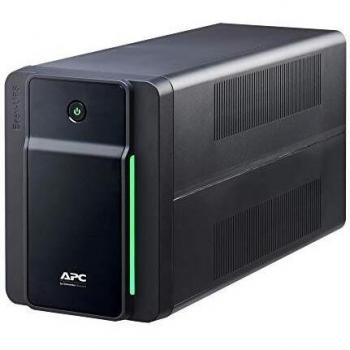
APC by Schneider Electric Back-UPS Line-interactive UPS – 750 VA/410 W


Sponsored This site contains affiliate links for which we may receive compensation. More information
 Quzo
Quzo
Sponsored APC Back-UPS 750VA Tower 230V 4x CEE 7/7 Schuko outlets AVR
91.81 GBP
Price updated on: 25-03-2026 07:28:47
91.81 GBP
Price updated on: 25-03-2026 07:28:47  LaptopHub
Sponsored APC Back-UPS. 750VA. Tower. 230V. 4x CEE 7/7 Schuko outlets. AVR
94.66 GBP
Price updated on: 10-07-2025 11:05:07
94.66 GBP
Price updated on: 10-07-2025 11:05:07  Back to the Office
Sponsored APC Back-UPS, 750VA, Tower, 230V, 4x CEE 7/7 Schuko outlets, AVR
95.99 GBP
Price updated on: 25-03-2026 10:08:13
95.99 GBP
Price updated on: 25-03-2026 10:08:13 | Identifiers | |
|---|---|
| MPN | APC BX750MI-FR |
| Dimensions / Weight | |
| Key Features | |
|
AC outlet types A list of the different AC power outlet or coupler types that a product supports, such as C13, C19, C20, Type F, Type G (BS 1363), NEMA 5‑15R, etc. Each entry represents a distinct electrical connector that can be used to supply power to the device.
|
Type F |
|
AC outlets The total count of standard AC power sockets available on the device, such as a power distribution unit or surge protector. This value indicates how many separate appliances can be connected simultaneously.
|
4 AC outlet(s) |
|
Alarm Indicates whether the product includes an alarm feature that alerts the user when a relevant event occurs, such as door opening, movement, or other conditions requiring attention. The alarm can be audible, visual, or both, and its presence helps prevent energy loss and ensures safety.
|
On Battery |
| Audible alarm(s) | Yes |
|
Battery chemistry The chemical composition or classification of a battery, such as lithium‑ion, lithium‑polymer, nickel‑metal hydride, sealed lead acid, alkaline, zinc‑air, etc. It indicates the type of electrochemical reaction that stores and delivers energy in the device.
|
Lead Acid |
| Battery recharge time | 6 h |
|
Battery technology The chemical composition or classification of a battery, such as lithium‑ion, lithium‑polymer, nickel‑metal hydride, sealed lead acid, alkaline, zinc‑air, etc. It indicates the type of electrochemical reaction that stores and delivers energy in the device.
|
Sealed Lead Acid (VRLA) |
|
Cable length The linear distance that a cable covers, expressed with a length unit such as meters, centimeters or inches. It represents the total usable length of the cable for connecting devices.
|
1.2 m |
|
Cables included A list of the cable types that are supplied with the product, such as USB, HDMI, VGA, DisplayPort, LAN (RJ‑45), SATA, audio or other relevant connectors.
|
Input power cable |
|
Certification A list of official certifications or compliance marks that the product has received from regulatory bodies, safety organizations, or industry standards groups. Each entry represents a distinct certification such as CE, FCC, RoHS, UL, or WEEE, and may include additional details like version numbers or specific test reports.
|
CB Meet EN62040-1 / CE / IEC-62040-1 / IEC-62040-2 |
|
Colour The colour or combination of colours that a product is available in, expressed as common names such as "Black", "Silver" or comma‑separated lists like "Black, White". It indicates the visual appearance of the item for consumers.
|
Black |
|
Depth The linear measurement of an object from front to back or top to bottom, expressed in a physical unit such as millimeters, centimeters, inches, etc. It indicates how deep the item is and can be used for fitting, compatibility, or spatial planning.
|
355 mm |
|
Ethernet LAN ports Represents the total count of Ethernet LAN (RJ‑45) interfaces available on a product. The value is an integer indicating how many physical Ethernet ports are present, regardless of speed or generation.
|
2 |
|
Form factor Specifies the physical configuration or design of a product, such as ATX, Micro‑ATX, Mini‑ITX, tower, case with cover, etc. It describes how the device is built and what mounting or expansion options it supports.
|
Compact |
|
Harmonized System HS code The Harmonized System (HS) code is a standardized numerical identifier used internationally to classify traded goods. It consists of up to six digits, where each pair of digits represents progressively more specific product categories. The HS code facilitates customs duties, trade statistics, and regulatory compliance by providing a common language for describing products across borders.
|
85078000 |
|
Height The vertical dimension of a product measured from its lowest to highest point. It is expressed in a physical unit such as millimetres, centimetres or inches and applies to any item where height is relevant, including books, electronics, furniture and other objects.
|
160 mm |
| Input frequency | 50/60 Hz |
|
Input power factor The ratio of real power to apparent power in an electrical system, expressed as a dimensionless number typically between 0 and 1. It indicates how effectively the device converts electrical energy into useful work; values close to 1 mean high efficiency.
|
0.63 |
|
Input voltage range The minimum and maximum electrical voltage that a device can safely accept from its power source, expressed in volts (V). It indicates the acceptable supply voltage range for both alternating current (AC) and direct current (DC) inputs, ensuring compatibility with local mains or battery supplies.
|
140 V AC 300 V AC |
|
International Protection IP code The IP (Ingress Protection) code indicates a product’s resistance to solids and liquids. It follows the standard two‑digit format (e.g., IP20, IP67), where the first digit represents protection against solid particles and the second against liquids. The code may include an ‘X’ to denote unknown protection for that category or multiple codes separated by commas for products offering different levels of protection in various configurations.
|
IP20 |
|
Load capacity The maximum load that the product can safely support, expressed in a unit such as kilograms or pounds. The value may represent total capacity for the entire device or per drawer/section when applicable.
|
750 VA/410 W |
|
Maximum input operation voltage The highest electrical voltage that a device can safely accept from its power source, expressed in volts (V). It indicates the maximum supply voltage compatible with the product and is used to ensure proper operation across different regions and power standards.
|
300 V |
|
Maximum operating temperature The highest temperature at which a product can operate safely without risk of damage or performance degradation. Values are expressed in degrees Celsius (°C). This attribute helps users verify that the device will remain within its thermal limits during normal use.
|
40°C |
|
Maximum output operation voltage The highest electrical voltage that a device can safely produce or deliver on its output terminals, expressed in volts (V). It indicates the maximum output level for power supplies, UPS units, and other equipment where the user may need to know the peak voltage available for connected loads.
|
230 V |
|
Minimum input operation voltage The lowest electrical voltage that the product is designed to accept from its power source, expressed in volts (V). It indicates the minimum mains or battery supply required for safe and reliable operation.
|
140 V |
|
Operating altitude The range of altitudes (in meters) at which a product or component can operate reliably without performance degradation due to changes in atmospheric pressure, temperature, or other altitude‑related effects.
|
0 - 3000 m |
|
Operating relative humidity The range of relative humidity (in percentage) within which the product is designed to operate reliably. Values are expressed as a minimum–maximum interval such as "20 - 80 %" and indicate the acceptable environmental moisture level for optimal performance.
|
0 - 95 % |
|
Operating temperature The range of temperatures in which a product can safely operate without risk of damage or performance degradation. Values are expressed in degrees Celsius (°C) and may represent a single temperature, a minimum–maximum interval, or an average operating point.
|
0 - 40 °C |
|
Output Power The electrical power that a device can deliver or consume, expressed in watts (W). It represents the actual power output under normal operating conditions and is useful for comparing performance across similar devices.
|
410 W |
|
Output power capacity The maximum electrical power that a device can deliver or consume, expressed in volt‑amps (VA). It represents the apparent power rating of the product and is used to compare capacity across similar equipment.
|
0.75 kVA |
|
Status indicators A list of the operational states that an LED indicator on a device can show, such as power status, activity, link, or other functional signals. Each entry represents a distinct status that the LED may display when the device is in use.
|
LED Status Display: Mains Operation Battery Operation |
|
Storage temperature The range of temperatures in which a device can safely operate without risk of damage or performance degradation. Values are expressed in degrees Celsius (°C) and may represent a single temperature, a minimum–maximum interval, or an average operating point.
|
-15 - 40 °C |
|
Surge energy rating The amount of electrical energy, measured in joules (J), that a device can absorb during a surge event before failure. It indicates the level of protection against voltage spikes and is useful for comparing surge protectors, UPS units, and other power‑conditioning equipment.
|
273 J |
|
Sustainability certificates A list of environmental, safety or quality certifications that a product has obtained from recognized authorities. Typical entries include RoHS, ENERGY STAR, CE, WEEE, TCO Certified, FCC, and other industry‑specific standards.
|
RoHS |
|
Typical backup time at full load The duration a device can operate on its internal power source while running at full load before it needs to be recharged or connected to an external supply. It is expressed in minutes, hours, or other standard time units and applies to devices such as UPS systems, battery‑powered equipment, and similar appliances.
|
1 min |
|
Typical backup time at half load The average time a device can operate on its internal battery or backup power source when running at half of its maximum load, expressed in minutes, hours, or other standard time units.
|
8.5 min |
| UPS topology | Line-Interactive |
|
USB port type The specific type of USB connector that a product supports, such as USB Type‑A, USB Type‑B, USB Type‑C, Mini‑USB or Micro‑USB. This attribute indicates the physical interface used for data transfer and power delivery, helping users identify compatibility with cables, peripherals and accessories.
|
USB Type-B |
|
Waveform The shape of the electrical voltage or current produced by a power supply, expressed as a string such as "Sine", "Square", or "Triangle". It indicates how the output varies over time and affects noise levels, harmonic distortion, and compatibility with electronic equipment.
|
Sine |
|
Width The horizontal measurement of a product, expressed in a linear unit such as millimetres or inches. It indicates how wide the item is from one side to the other and is used for sizing, fitting, and compatibility purposes.
|
120 mm |

APC is a brand that specializes in making high-quality, durable, and functional clothing and accessories for men and women. The brand is known for its simple and timeless designs, as well as its focus on quality and functionality. APC is a favorite among fashion-savvy individuals for its unique and stylish pieces.