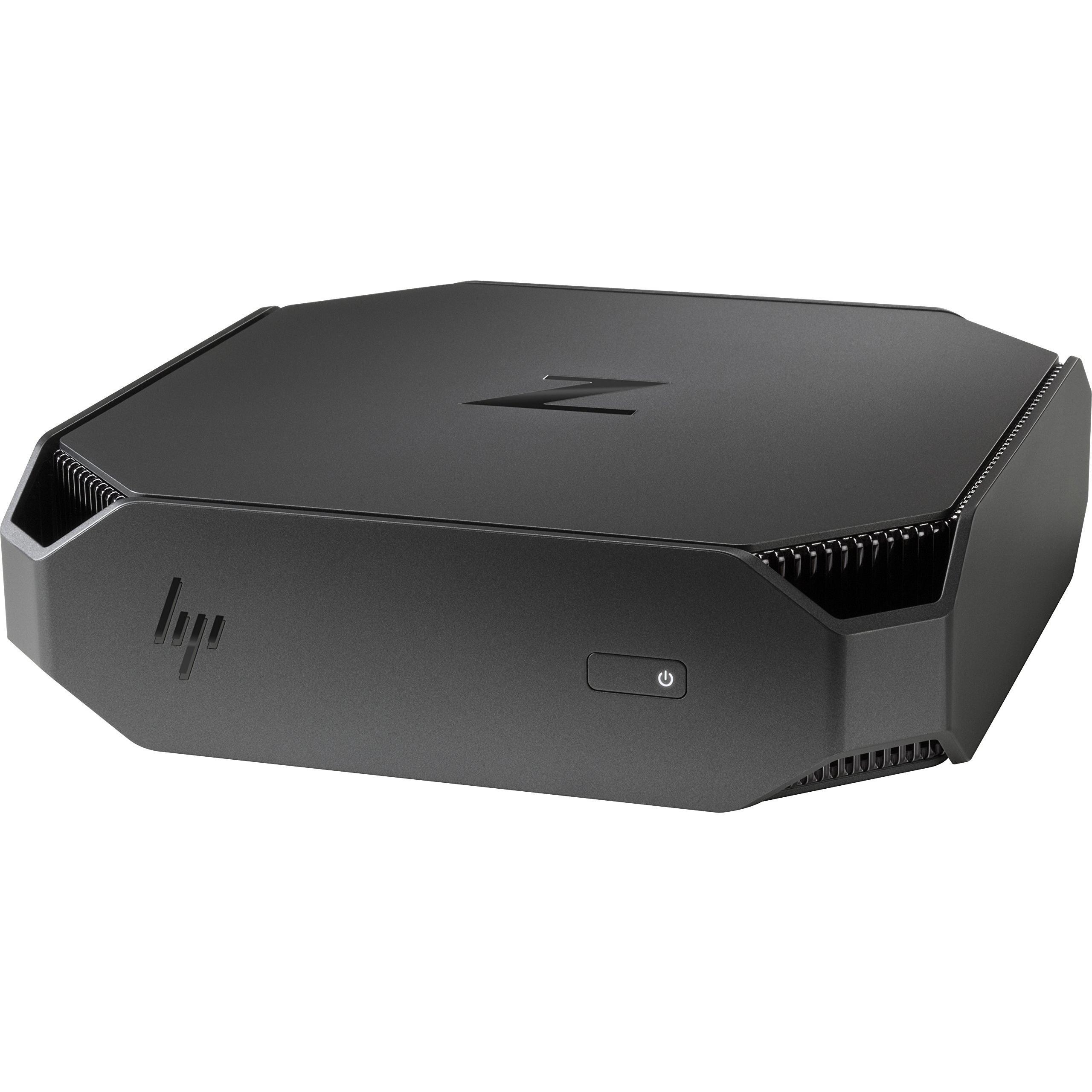
HP Z2 Mini G3 Workstation Core i7 with NVIDIA Quadro M620 GPU and Windows 10 Pro upgrade



Sponsored This site contains affiliate links for which we may receive compensation. More information
Find other available options:

| Identifiers | |
|---|---|
| Model | HP 2M38Q27 |
| MPN | HP 2M38Q27 |
| Dimensions / Weight | |
| Key Features | |
|
Bus Type The interface or communication bus that a component uses to connect with other parts of a system, such as PCI Express, USB, SATA, or legacy buses like FSB and QPI. It indicates the protocol and physical connection used for data transfer between devices.
|
DMI3 |
|
Card reader integrated Indicates whether the device includes a built‑in card reader that can read removable memory cards such as SD, microSD, MMC or similar formats.
|
No |
|
Chassis type The physical configuration or shape of a computer chassis, such as tower, rack‑mount (e.g., 1U, 2U), desktop, mini‑PC, or other compact designs. It indicates the overall size and mounting style that determines compatibility with motherboards, power supplies, and case accessories.
|
Mini PC |
|
Country of origin The country where the product was manufactured or its primary geographic source. This attribute indicates the nation responsible for the production or assembly of the item.
|
China |
|
Depth The linear measurement of an object from front to back or top to bottom, expressed in a physical unit such as millimeters, centimeters, inches, etc. It indicates how deep the item is and can be used for fitting, compatibility, or spatial planning.
|
216 mm |
|
Discrete graphics adapter Indicates whether the product includes a dedicated graphics adapter (discrete GPU) separate from any integrated graphics. A value of "Yes" means a discrete GPU is present, while "No" indicates only integrated graphics are available.
|
No |
|
Discrete graphics adapter memory The amount of dedicated video memory (VRAM) available on a discrete graphics adapter, expressed as a data size such as megabytes (MB) or gigabytes (GB). It indicates how much graphical data can be stored for textures, frame buffers, and other GPU tasks, affecting performance in gaming, rendering, and high‑resolution displays.
|
2 GB |
| Discrete graphics adapter model | NVIDIA® Quadro® K620 |
|
Display included Indicates whether the product includes a built‑in screen or display unit that can be used directly for viewing content, such as a monitor on a laptop, an integrated display on a device, or a built‑in screen on appliances. A value of "Yes" means the product has such a display; "No" means it does not.
|
No |
|
DVI port Indicates how many DVI connectors are present on the product. The value is a simple integer representing the total count of DVI ports, regardless of type or version.
|
No |
|
ECC supported by processor Indicates whether the processor in a device supports Error Correcting Code (ECC) memory, allowing detection and correction of single-bit errors during data storage or transfer.
|
No |
|
Embedded options available Indicates whether the product includes embedded options such as firmware features, hardware modules or configuration settings that are built into the device and available for use without external accessories.
|
No |
| Enhanced intel speedstep technology | Yes |
|
Ethernet LAN Indicates whether the product includes an Ethernet LAN interface for wired network connectivity, allowing data transmission over RJ‑45 or compatible cables.
|
Yes |
|
Ethernet LAN data rates Maximum theoretical speed at which a device can send or receive data over its Ethernet LAN interface, expressed in megabits per second (Mbps) or gigabits per second (Gbps). It represents the upper bound of throughput under optimal conditions and is useful for comparing network performance between devices with wired connectivity.
|
10,100,1000 Mbit/s |
|
Execute disable bit Indicates whether the processor’s Execute Disable bit is enabled, allowing the CPU to prevent execution of code from memory regions marked as non-executable.
|
Yes |
|
Graphics & IMC lithography The minimum feature size that can be etched onto a semiconductor chip, expressed in nanometers (nm). It indicates the manufacturing technology generation and influences performance, power consumption, and integration density of the processor.
|
14 nm |
|
Height The vertical dimension of a product measured from its lowest to highest point. It is expressed in a physical unit such as millimetres, centimetres or inches and applies to any item where height is relevant, including books, electronics, furniture and other objects.
|
58 mm |
|
Idle states A list of the various low‑power or standby modes that a device can enter to conserve energy when not actively performing tasks.
|
Yes |
|
Intel 64 Indicates whether the processor is compatible with the Intel® 64 architecture, enabling it to run operating systems and applications designed for x86‑64 processors.
|
Yes |
|
Intel clear video technology Indicates whether the product incorporates Intel’s Clear Video HD technology, a hardware feature that enhances video playback and capture quality by providing smoother motion, reduced artifacts, and improved color accuracy.
|
Yes |
|
Intel enhanced halt state Indicates whether the processor includes Intel’s Enhanced Halt State feature, which allows the CPU to enter a low‑power idle mode when not actively executing instructions, thereby reducing energy consumption without compromising performance.
|
Yes |
|
Intel Secure Key Technology version The specific version number of Intel Secure Key technology supported by the processor, indicating the generation and capabilities of the secure key feature set.
|
1.00 |
|
Intel trusted execution technology Indicates whether the product incorporates Intel’s Trusted Execution Technology, a security feature that creates isolated execution environments to protect sensitive code and data from tampering or unauthorized access.
|
Yes |
|
Internal memory The total amount of internal memory available in a device, expressed as a data size such as megabytes (MB) or gigabytes (GB). It indicates how much information the component can hold for active processes and affects multitasking performance.
|
16 GB |
|
Internal memory type The type of memory physically installed inside a device, such as DDR4 SDRAM, LPDDR3, or other RAM variants. It indicates the architecture and generation of the internal memory modules that the product uses or supports.
|
DDR4-SDRAM |
|
Maximum internal memory The largest amount of internal random‑access memory that a device can support, expressed as a data size such as megabytes or gigabytes. It indicates the maximum capacity for active processes and multitasking performance.
|
32 GB |
|
Maximum internal memory supported by processor The largest amount of internal random‑access memory (RAM) that a processor can address and support, expressed as a data size such as megabytes or gigabytes. It indicates the upper limit of memory capacity for active processes and multitasking performance on devices using this CPU.
|
64 GB |
|
Maximum on-board graphics adapter memory The maximum amount of dedicated video memory that the integrated graphics adapter built into a device can provide, expressed as a data size (e.g., megabytes or gigabytes). This value indicates how much graphical processing power is available for rendering, gaming, and other GPU‑intensive tasks.
|
1.74 GB |
|
Memory channels The configuration of memory channels supported by a device, indicating how many independent memory paths the system can use for data transfer (e.g., Dual‑channel, Quad‑channel). This attribute helps users understand the potential bandwidth and performance characteristics of the memory subsystem.
|
Dual-channel |
|
Memory clock speeds supported by processor The set of operating frequencies that a processor can run at, expressed in hertz (Hz). Values are typically listed as individual frequencies or ranges separated by commas, indicating the base clock and any boost or turbo options available for the CPU.
|
1333,1600,1866,2133 MHz |
|
Memory types supported by processor A list of the types of memory modules that a device can use, such as DDR4 SDRAM, LPDDR3, or other compatible standards. Each entry represents a distinct memory technology supported by the hardware.
|
DDR3L-SDRAM,DDR4-SDRAM |
|
Memory voltage supported by processor The operating voltage required or supplied to the processor, expressed in volts (V). It indicates the electrical potential that powers the CPU and is essential for ensuring proper performance and compatibility with power delivery systems.
|
1.35 V |
|
Microphone in Indicates whether the product includes at least one built‑in microphone. A value of "Yes" means that the device has an integrated microphone, while "No" indicates it does not.
|
No |
|
Number of processors installed The total count of physical processor units that are installed in a device. It represents how many separate CPU cores or chips are present, regardless of model or generation.
|
1 |
|
On-board graphics adapter The model name or number of the integrated graphics adapter built into a device, such as a laptop, desktop, or motherboard. It identifies the specific GPU variant used for rendering and video processing, allowing users to compare visual performance and compatibility across products.
|
Yes |
|
On-board graphics adapter base frequency The clock speed at which the integrated graphics processor runs under normal conditions, expressed in hertz (Hz). It indicates how many cycles per second the GPU performs and is useful for comparing visual performance across devices that use an on‑board graphics solution.
|
350 MHz |
|
On-board graphics adapter DirectX version The version number of the DirectX graphics API supported by a device, indicating its graphical capabilities and compatibility with software that relies on specific DirectX features.
|
12.0 |
|
On-board graphics adapter ID The unique identifier of the integrated graphics adapter built into a device, typically expressed as a hexadecimal string such as "0x5916" or a numeric code like "1916". This value allows users and systems to distinguish between different GPU models and versions across laptops, desktops, and motherboards.
|
1912 |
|
On-board graphics adapter model The model name or number of the integrated graphics adapter built into a device, such as a laptop or motherboard. It identifies the specific GPU variant used for rendering and video processing, allowing users to compare visual performance and compatibility across products.
|
Intel® HD Graphics 530 |
|
On-board graphics adapter OpenGL version The specific version of the OpenGL graphics API supported by a device, indicating its rendering capabilities and compatibility with software that relies on this standard.
|
4.4 |
|
Operating system installed The operating system that is installed on the device, indicating the software platform that manages hardware resources and provides services for applications. It can be a commercial OS such as Windows or macOS, an open‑source distribution like Linux, or a proprietary firmware used in embedded devices.
|
Windows 7 Professional |
|
Optical drive type The type of optical drive included in a device, such as DVD‑RW, DVD‑Writer, Blu‑Ray RW, or no optical drive. This attribute indicates whether the product can read or write optical media and specifies the particular model or capability when available.
|
No |
|
PCI Express configurations A textual description of how PCI Express lanes are distributed across the available slots or interfaces in a device. The value typically lists groups of lanes separated by commas, where each group may contain a number of lanes and optional ‘+’ signs to indicate combined lanes that share the same speed (e.g., "1x16", "2x8", "1x8+2x4"). This attribute helps users understand the bandwidth capacity and compatibility of expansion slots.
|
2x8,1x8+2x4,1x16 |
|
PCI Express slots version The version of the PCI Express specification supported by a device or component. It indicates the maximum bandwidth and compatibility with PCIe devices such as graphics cards, storage controllers, and expansion cards. The value is typically expressed as a numeric revision (e.g., 2.0, 3.0, 4.0) but may also include descriptive labels for specific generations.
|
3.0 |
|
Placement supported A list of the positions or mounting options where a product can be installed, such as indoor, outdoor, wall, desk, floor, ceiling, or universal. Each value represents a distinct placement scenario that the device supports.
|
Horizontal |
|
Processor ARK ID The Processor ARK ID is a numeric identifier assigned by Intel to each processor model. It uniquely distinguishes one CPU from another and can be used to look up detailed specifications, compatibility information, or firmware updates for that specific chip.
|
88196 |
|
Processor cache The amount of internal memory reserved for a processor’s cache, expressed in units such as megabytes (MB) or gigabytes (GB). This value indicates how much data the CPU can store locally to accelerate access and improve performance.
|
8 MB |
|
Processor cache type The type or level of the internal cache memory in a processor, such as L1, L2, L3, or Smart Cache. This attribute indicates the hierarchical structure and naming convention used by the CPU manufacturer to describe its cache organization.
|
Smart Cache |
| Processor codename | Skylake |
|
Processor family The processor family identifies the group or series of CPU models that share a common architecture, design, and performance characteristics. It helps users compare processors across brands and generations by indicating the underlying technology used in the chip.
|
6th gen Intel® Core™ i7 |
|
Processor manufacturer The company that designs and produces the central processing unit (CPU) used in a device. This value identifies the brand of the processor, such as Intel, AMD, Qualcomm, or ARM Holdings, allowing users to assess compatibility, performance expectations, and support resources.
|
Intel |
|
Processor model Identifies the exact model of the central processing unit used in a device, including brand and numeric designation such as "Intel Core i5-8250U" or "AMD Ryzen 7 3700X". This value allows users to distinguish between different processor families, generations, and performance levels.
|
i7-6700 |
|
Processor package size The overall dimensions of a processor’s physical package, expressed as length × width × height in millimetres or inches. It indicates the size that must fit within a motherboard socket or mounting area and helps users compare compatibility across different CPU models.
|
37.5 mm |
|
Processor socket The physical connector used by a processor to attach to a motherboard or other compatible platform. Common examples include LGA 1151, BGA 1440, Socket AM4, and LGA 1200. This attribute indicates the exact socket designation required for proper CPU installation and compatibility.
|
LGA 1151 (Socket H4) |
|
Product Type Indicates the general classification or type of an item, such as "laptop", "projector", "router" or "paint". It helps users quickly identify the nature of the product and compare similar items across categories.
|
Workstation |
| SSD Capacity | 256 GB |
|
Stepping Der CPU‑Stepping bezeichnet die interne Version eines Prozessormodells, die bei jeder neuen Fertigungsrunde geändert wird. Er gibt an, welche Revision des Chips verwendet wurde und kann Einfluss auf Leistung, Energieverbrauch oder Kompatibilität haben.
|
R0 |
|
Storage media The type of storage medium used in the product, such as SSD, HDD, eMMC, Flash, or hybrid combinations. It indicates whether the device uses solid‑state, magnetic, or other forms of memory and helps users understand the underlying technology.
|
SSD |
|
Supported instruction sets A list of processor instruction set extensions that a CPU can execute, such as AVX, AVX2, SSE4.1, SSE4.2, and AVX‑512. Each value represents an individual extension or group of extensions supported by the hardware.
|
SSE4.1,AVX 2.0,SSE4.2 |
|
Tcase Valor que indica la temperatura a la cual el producto opera o se mantiene durante su uso normal. Se expresa en grados Celsius, Fahrenheit o Kelvin según el contexto del fabricante y permite comparar condiciones térmicas entre dispositivos similares.
|
71 °C |
| Thermal monitoring technologies | Yes |
|
Thermal solution specification A short alphanumeric code that identifies the thermal solution or cooling configuration used in a computer component such as a processor, motherboard, or chassis. The identifier is typically assigned by the manufacturer and can be referenced to determine compatibility, performance characteristics, or warranty information for the cooling system.
|
PCG 2015C |
|
Volume The total amount of space a product occupies or can hold, expressed as a volume measurement such as liters, milliliters, cubic centimeters, or other standard units. It represents the capacity or physical size in three dimensions and is used for items like containers, appliances, or any object where capacity matters.
|
2.5 L |
|
Weight The mass of the product expressed in a standard unit such as grams or kilograms. It represents how heavy the item is and can be used for shipping calculations, handling instructions, or consumer information.
|
2.04 kg |
|
Wi-Fi Indicates whether the product has built‑in Wi‑Fi capability, allowing it to connect to wireless networks without requiring external adapters or dongles.
|
No |

HP is a technology company that creates a wide range of products, including personal computers, printers and scanners, and software.

