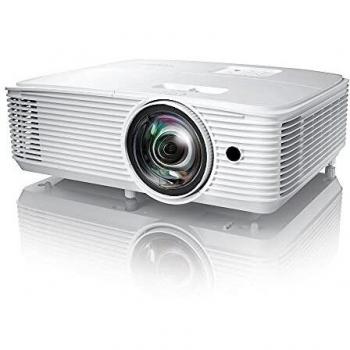
Optoma EH200ST data projector Short throw projector 3000 ANSI


Sponsored This site contains affiliate links for which we may receive compensation. More information
 Quzo
Quzo
Sponsored Optoma EH200ST data projector Short throw projector 3000 ANSI lumens DLP 1080p (1920x1080) 3D White
748.19 GBP
Price updated on: 13-04-2024 03:27:55
748.19 GBP
Price updated on: 13-04-2024 03:27:55  smartteck.co.uk
Sponsored Optoma EH200ST data projector Short throw projector 3000 ANSI...
843.47 GBP
Price updated on: 05-06-2024 05:28:14
843.47 GBP
Price updated on: 05-06-2024 05:28:14  computersdeal.co.uk
Sponsored Optoma EH200ST data projector Short throw projector 3000 ANSI...
982.48 GBP
Price updated on: 20-06-2025 15:39:45
982.48 GBP
Price updated on: 20-06-2025 15:39:45  Back to the Office
Sponsored Optoma EH200ST Short throw projector 3000 ANSI lumens DLP 1080p (1920x1080) 3D White
997.46 GBP
Price updated on: 19-03-2025 15:50:09
997.46 GBP
Price updated on: 19-03-2025 15:50:09 
Sponsored Optoma EH200ST Projector White 95.8ZF01GC0E.LR OP60004
1159.68 GBP
Price updated on: 22-01-2026 06:25:33
1159.68 GBP
Price updated on: 22-01-2026 06:25:33 | Identifiers | |
|---|---|
| Model | Optoma 95.8ZF01GC0E.LR |
| MPN | Optoma 95.8ZF01GC0E.LR |
| Dimensions / Weight | |
| Key Features | |
|
AC input frequency The frequency of the alternating current supplied to a power supply or charger, expressed in hertz (Hz). It indicates the acceptable operating range for the electrical mains that powers the device, ensuring proper functionality and safety.
|
50 - 60 Hz |
|
AC input voltage The range of alternating current voltage that the product accepts from its power source, expressed in volts (V). It indicates the minimum and maximum supply voltages compatible with the device across different regions.
|
100 - 240 V |
|
Aspect ratio The proportion between the width and height of a display, image or video, expressed as two numbers separated by a colon (e.g., 16:9). It indicates whether content is designed for widescreen, square, or other aspect ratios.
|
16:9 |
|
Battery The specific type or model of battery used in a product, such as brand, part number, chemistry, or cell configuration.
|
2 x AA |
|
Brightness The amount of light emitted by a display or projector, expressed in lumens (cd/m² for luminance). It indicates how bright the screen will appear under typical viewing conditions.
|
3000 Lumens |
|
Bulb power The electrical power rating of a light bulb or lamp, expressed in watts (W). It indicates the amount of energy the bulb consumes during operation or the maximum output it can deliver to connected equipment.
|
190 W |
|
Cable lock slot type Specifies the type of interface or mechanism used to secure a cable in its port, such as Kensington, Noble, IBM, or other standard lock slots. This attribute helps users identify compatibility and security features of the device.
|
Kensington |
|
Cables included A list of the cable types that are supplied with the product, such as USB, HDMI, VGA, DisplayPort, LAN (RJ‑45), SATA, audio or other relevant connectors.
|
HDMI |
| CardBus PCMCIA slot type | No |
|
Case colour The colour or combination of colours that a product’s outer shell or enclosure is available in, expressed as common names such as "Black", "Silver" or comma‑separated lists like "Black, White". It indicates the visual appearance of the case for consumers.
|
White |
|
Contrast The contrast ratio is the proportion between the brightest and darkest luminance a display can produce, expressed as a simple fraction such as 1000:1. It indicates how well a screen or projector can differentiate light from dark areas, affecting image clarity and color depth.
|
20,000 |
|
Contrast ratio The contrast ratio is the proportion between the brightest and darkest luminance a display can produce, expressed as a simple ratio such as 1000:1. It indicates how well a screen can differentiate light from dark areas, affecting image clarity and color depth.
|
20000:1 |
|
Display technology The type of display panel used in a visual device, such as LED‑backlit LCD, IPS, TN, VA, OLED, or AMOLED. It indicates the underlying technology that determines image quality, color accuracy, viewing angles, response time and power consumption.
|
0.65 inch DC3 DMD Chip |
|
Form factor Specifies the physical configuration or design of a product, such as ATX, Micro‑ATX, Mini‑ITX, tower, case with cover, etc. It describes how the device is built and what mounting or expansion options it supports.
|
DLP Projector |
|
HDMI inputs Cantidad total de conectores HDMI físicos disponibles en el producto para la transmisión digital de audio y vídeo.
|
1 |
|
HDMI version The specific version of the HDMI standard that a product supports, such as "2.0", "2.1" or "1.4b". This value indicates the capabilities and compatibility of the HDMI interfaces on the device.
|
1.4 a |
|
Horizontal scan range The range of frequencies, expressed in kilohertz (kHz), over which a device can process or display horizontal signals or scan lines. It indicates the minimum and maximum operating frequencies for horizontal scanning operations.
|
15.375 |
|
Image size The measurement of a display’s diagonal, expressed in inches or centimeters. It indicates the overall visual area available for content and is commonly used to compare monitors, televisions, laptops, tablets, and other electronic devices.
|
45.3" ~ 300" diagonal |
|
Item Indicates whether the product has a coating that blocks ultraviolet (UV) rays at 100 % intensity, protecting skin and eyes from harmful exposure.
|
95.8ZF01GC0E.LR |
|
Keystone correction horizontal The horizontal keystone correction angle specifies the range of degrees by which a projector or screen can adjust horizontally to correct image distortion without loss of clarity. It is expressed as a minimum‑maximum value, such as –30° to +30°, and applies to any device that supports keystone adjustment.
|
-40 - 40° |
|
Light source The main illumination source used by the product, such as LED, laser, CCFL, or other light-emitting technologies. It indicates whether the device uses a single light source or multiple sources and helps users understand the lighting characteristics of the item.
|
Lamp |
| Matrix size | 0.7" |
|
Maximum digital resolution The highest pixel dimensions that a device can output or support, expressed as width by height (e.g., 1920x1080). It indicates the maximum resolution available for visual content on the product.
|
1600x1200 |
|
Maximum power consumption The highest electrical power that a device can draw or consume during operation, expressed in watts (W). It represents the peak energy usage of the product and is useful for estimating maximum power requirements, comparing efficiency across similar devices, and ensuring compatibility with power supplies.
|
233 W |
|
Maximum resolution The highest pixel dimensions that a device can output or support, expressed as width by height (e.g., 1920x1080). It indicates the maximum resolution available for display content on the product.
|
1920 x 1080 Pixels |
|
Native aspect ratio The proportion between the width and height of a screen or image, expressed as two numbers separated by a colon (e.g., 16:9). It indicates whether content is designed for widescreen, square, or other aspect ratios and helps users match devices to their media formats.
|
16:10 |
| Noise Level | 28 dB |
|
Noise level economic mode The sound intensity produced by a product while operating in its economic or low‑power mode, expressed in decibels (dB). This value indicates how quiet the device is during energy‑saving operation and helps users assess suitability for quiet environments.
|
26 dB |
|
Number of colours The total count of distinct colours that a display can render, typically expressed in millions or billions. This figure reflects the colour depth and determines how smoothly gradients and subtle hues are reproduced on the screen.
|
1.073 billion colors |
|
Offset The percentage by which a measurable attribute—such as brightness, contrast, or other performance metrics—deviates from its standard or reference value. It indicates how much the actual measurement is increased or decreased relative to the expected norm.
|
116 % |
|
Operating altitude The range of altitudes (in meters) at which a product or component can operate reliably without performance degradation due to changes in atmospheric pressure, temperature, or other altitude‑related effects.
|
0 - 3000 m |
| Operating humidity | 0 to 85 % |
|
Operating temperature The range of temperatures in which a product can safely operate without risk of damage or performance degradation. Values are expressed in degrees Celsius (°C) and may represent a single temperature, a minimum–maximum interval, or an average operating point.
|
5 - 40 °C |
|
Optical disc player type The type of optical disc player included in the product, such as DVD‑player, Blu‑ray‑player, or no optical disc player. It indicates whether the device can read or play optical media and specifies the particular model or capability when available.
|
Not included |
| Power consumption (StandBy) | 0.5 W |
|
Power consumption economy mode The electrical power drawn by a device while operating in its economy or energy‑saving mode, expressed in watts (W). This value indicates the typical energy usage when the product is set to reduce consumption during normal operation.
|
193 W |
|
Projection distance The minimum and maximum distances, expressed in metres, at which a projector can display an image on a screen while maintaining acceptable sharpness and brightness. The value is represented as a range (e.g., "1.2 - 10 m"). This attribute helps users determine whether the projector will fit their room size.
|
0.5 - 3.35 m |
|
Projection technology The optical method used by a projector to create an image, such as DLP, LCD, LED or 3LCD. It indicates the underlying light‑processing system that determines brightness, color accuracy and overall visual performance.
|
DLP |
|
Remote control type The method or mechanism used to operate a device remotely, such as infrared (IR), Bluetooth, Wi‑Fi, radio frequency, or wired connections. It indicates how the user can send commands to the product from a distance.
|
IR |
|
Resolution type maximum The highest pixel dimensions that a device can output or support, expressed as width by height (e.g., 1920x1080). It indicates the maximum resolution available for visual content on the product and is commonly used for monitors, TVs, smartphones, cameras, and digital images.
|
1080p |
|
Resolution Type Native The pixel dimensions that a product’s screen can output or support, expressed as width by height (e.g., 1920x1080). It indicates how many pixels are used to render visual content and is commonly applied to monitors, TVs, projectors, and other display devices.
|
Full HD |
|
RMS rated power The root‑mean‑square (RMS) power rating of a device, expressed in watts (W). It represents the average electrical power that the product can deliver or consume under normal operating conditions.
|
10 W |
|
Screen size compatibility The diagonal measurement ranges of screens that the product can project or display, expressed in millimeters and/or inches. It indicates the minimum and maximum screen sizes that the device is designed to handle.
|
1150.6 - 7620 mm ( |
|
Security locking mechanics Indicates whether a product includes a dedicated Kensington lock slot, which is a physical opening designed to accept a Kensington-style cable lock or similar locking mechanism for preventing unauthorized removal or theft of the device.
|
Security bar, Kensington lock, password protection |
|
Service life of lamp The total operating hours a lamp can provide before it needs replacement, expressed in units of time such as hours or days.
|
5000 h |
|
Service life of lamp economic mode The total operating hours a lamp can provide before it needs replacement when operated in an energy‑saving or low‑power mode, expressed in units of time such as hours.
|
6000 h |
|
Speakers included The total count of speaker units that are integrated into the product, whether they are internal or mounted externally as part of the device’s design. This value helps customers compare audio capabilities across models and determine how many separate sound sources a device provides.
|
Yes |
| Specification | No |
|
Supported 3D formats A list of the three‑dimensional video formats that a projector or display device can decode and present to the user. Each value represents a distinct 3D mode such as "Side by side", "Top and bottom", "Frame packing" or "Frame sequential". The attribute helps consumers determine whether their content will be displayed correctly on the product.
|
Frame packing,Side by side |
|
Supported aspect ratios The proportion between the width and height of a product’s display or image, expressed as two numbers separated by a colon (e.g., 16:9). It indicates whether the content is designed for widescreen, square, or other aspect ratios.
|
4:3 |
|
Supported Graphics Resolutions The pixel dimensions that a device can output or support, expressed as width by height (e.g., 1920x1080). It indicates the maximum resolution available for display content on the product.
|
1024x768 |
| Supported video modes | 1080i,1080p,480i,480p,576i,576p,720p |
|
Throw ratio The proportion between the distance from a projector to its screen and the width of the projected image, expressed as a simple ratio such as 2:1 or 1.5:1. It indicates how far the projector must be placed to achieve a desired screen size and is useful for planning installation space.
|
49:1 |
|
Vertical scan range The range of vertical scan frequencies that a display device can support, expressed in hertz (Hz). It indicates the minimum and maximum refresh rates at which the screen updates vertically, affecting visual smoothness and stability.
|
24 - 85 Hz |
|
Weight The mass of the product expressed in a standard unit such as grams or kilograms. It represents how heavy the item is and can be used for shipping calculations, handling instructions, or consumer information.
|
2.65 kg |

Optoma is a brand of digital projectors and related products. It is a subsidiary of Optoma Technology, Inc., which is a wholly owned subsidiary of Delta Electronics, Inc.