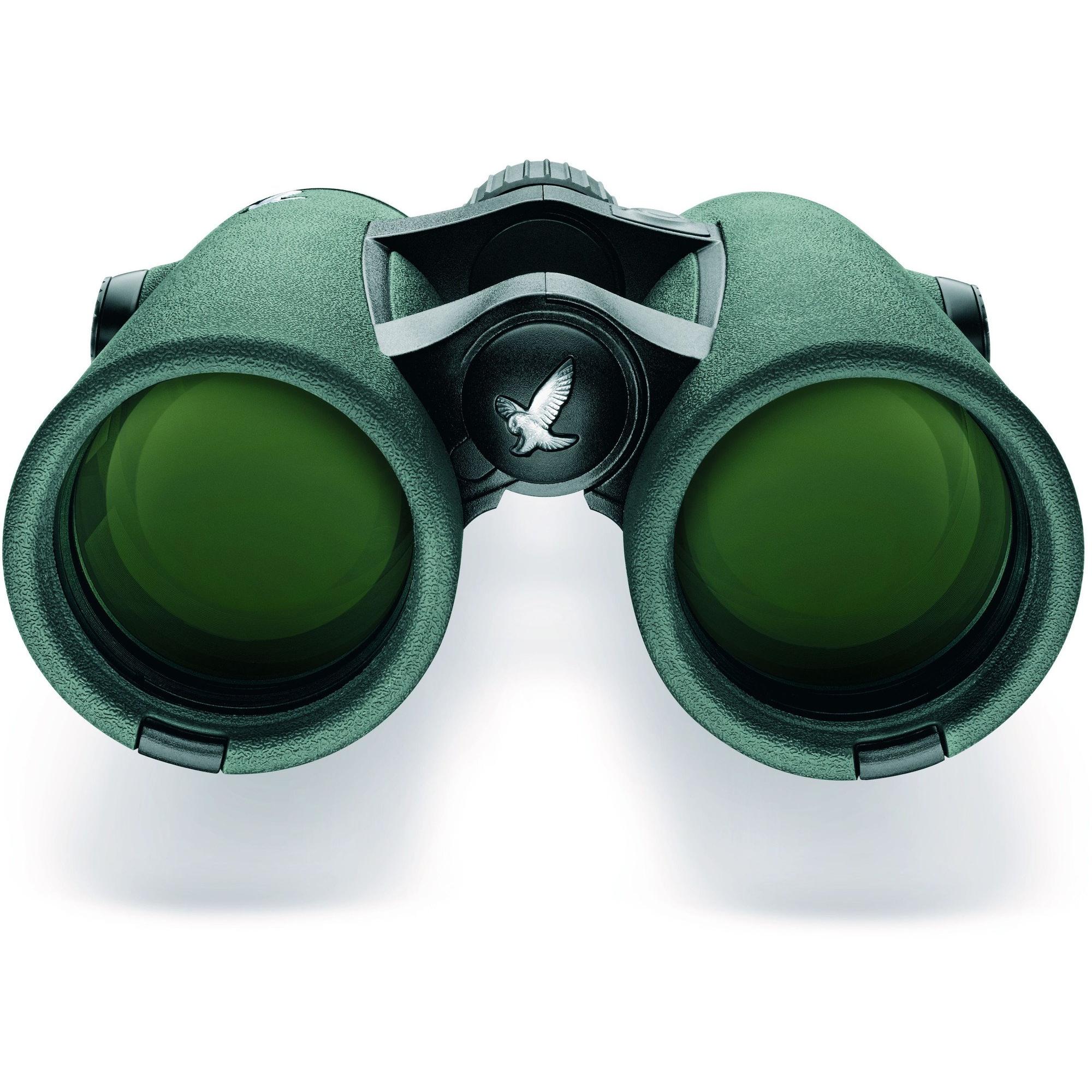
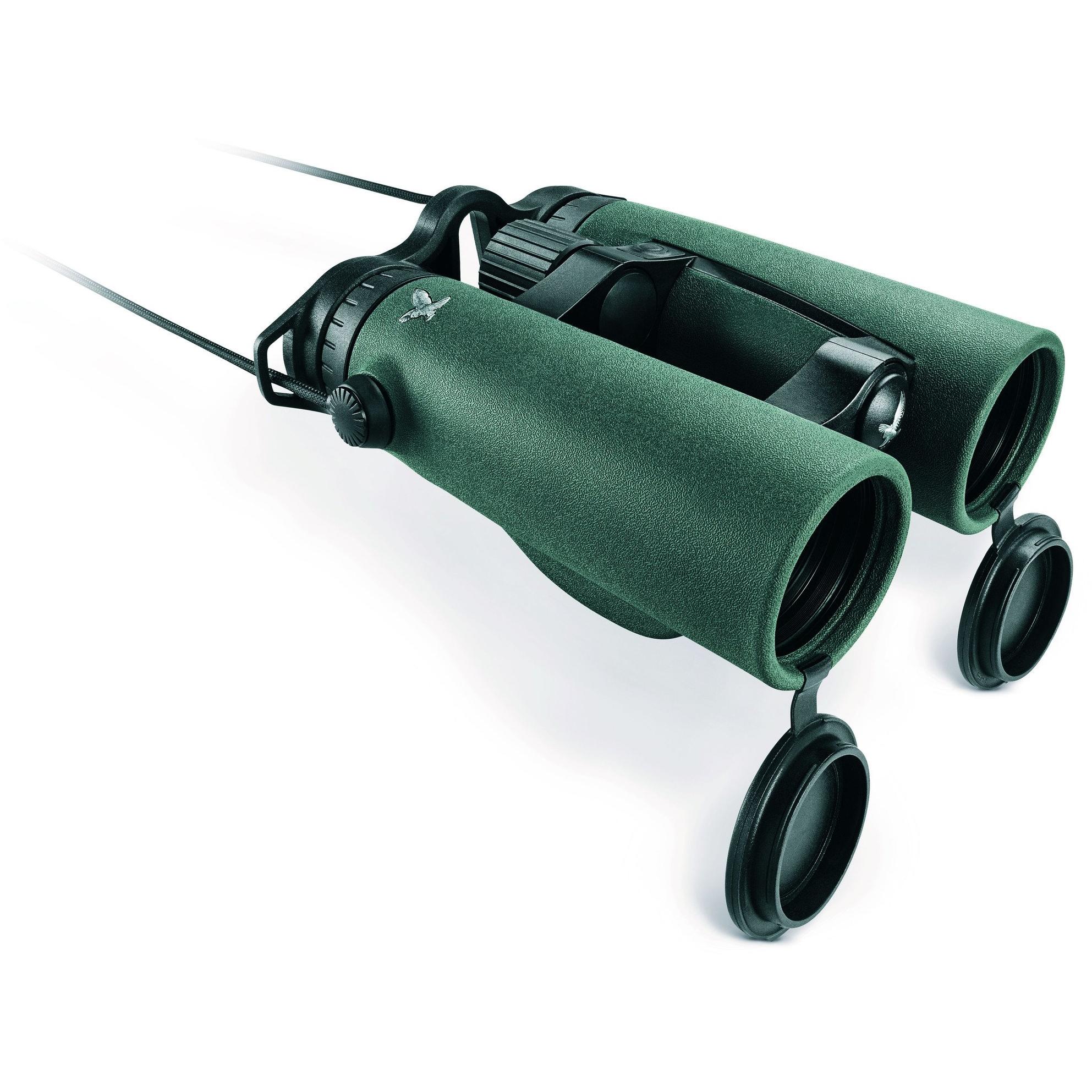
Swarovski EL Range 10x42 W B Laser Rangefinder Binoculars




Sponsored This site contains affiliate links for which we may receive compensation. More information
Find other available options:

| Identifiers | |
|---|---|
| MPN | Swarovski 344310 |
| Model | Swarovski LYSB00VKCOU3U-ELECTRNCS |
| Dimensions / Weight | |
| Key Features | |
|
Closest focusing distance The minimum distance at which a camera lens can focus on an object while maintaining sharpness and clarity. It is expressed as a linear measurement (e.g., meters or centimeters) and indicates how close the subject can be to the sensor before the image becomes out of focus.
|
5 m |
|
Colours A colour is a visual attribute that describes the hue or shade of an object or surface. It can be a single dominant colour, a combination of colours, or a range such as "Black, White". The value may be expressed in common names (e.g., Black, Silver) or descriptive terms (e.g., One Colour, Assorted).
|
Green |
|
Depth The linear measurement of an object from front to back or top to bottom, expressed in a physical unit such as millimeters, centimeters, inches, etc. It indicates how deep the item is and can be used for fitting, compatibility, or spatial planning.
|
137 mm |
|
Diopter correction The adjustment in optical power, expressed in diopters (dpt), that compensates for a user’s vision correction when using an optical device such as binoculars or cameras. Positive values increase magnification, negative values decrease it, and zero indicates no adjustment is needed.
|
-7/+5 |
|
Exit pupil The exit pupil diameter is the linear size of the opening through which light exits an optical device, measured in millimetres (mm). It indicates how much light can pass through the system and affects brightness and field of view. This measurement helps users compare compatibility with lenses, filters or accessories that require a specific aperture.
|
4.2 mm |
|
Eye relief The distance from the eyepiece to the eye that allows a user to see the full field of view without strain or loss of image size. It is measured in linear units such as millimetres or centimetres and applies to optical devices like binoculars, telescopes and cameras.
|
17.3 mm |
|
Field of 1000 metre The field of view at a distance of 1000 metres indicates the maximum horizontal angle or linear extent that an observer can see with an optical device when positioned 1000 metres away. It is expressed in degrees or as a linear measurement (e.g., metres) and allows comparison of how wide a telescope, binoculars or other sighting instrument can cover at that distance.
|
110 metre |
|
Height The vertical dimension of a product measured from its lowest to highest point. It is expressed in a physical unit such as millimetres, centimetres or inches and applies to any item where height is relevant, including books, electronics, furniture and other objects.
|
81 mm |
|
Magnification The optical magnification factor of a device such as a camera lens, binoculars or telescope. It indicates how many times larger an object appears compared to its actual size when viewed through the product. Values are expressed as a multiplier (e.g., 2x, 10x).
|
10 x |
|
Prism Type The optical prism configuration used in a binocular, monocular or other optical device. It indicates whether the instrument employs a roof prism, Porro prism, BaK‑4, BK‑7, Schmidt‑Pechan or similar design, which affects image quality, size and weight.
|
Roof |
|
Suitable for digiscopting Indicates whether the product is suitable for use with a digiscoper, a device that captures images or video through a camera lens. A value of "Yes" means the item can be used safely and effectively with a digiscoper; a value of "No" indicates it is not designed for such use.
|
No |
|
Tripod mounting supported Indicates whether a product can be securely attached to a tripod using the standard mounting interface. The value is typically "Yes" or "No", and may also include a measurement such as "1/4‑inch” or “3/8‑inch” to specify the size of the mounting screw required.
|
KR |
| Type of use | Bird spotting,Hunting,Astronomy |
Swarovski is a brand that specializes in the production of high-quality crystals and gemstones. The company was founded in 1895 in Austria and has since become a global leader in the crystal industry. Swarovski crystals are used in a variety of applications, including jewelry, home decor, and fashion. The company also produces a range of luxury watches and accessories.


