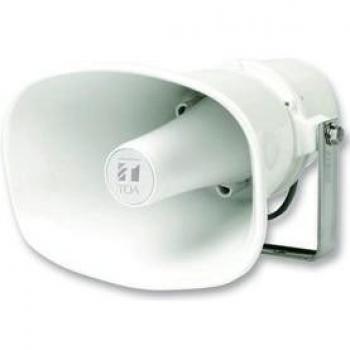
TOA PM-660D Table Microphone Black

Sponsored This site contains affiliate links for which we may receive compensation. More information
 LaptopHub
Sponsored TOA PM-660D microphone Black. Red Table microphone
79.70 GBP
Price updated on: 30-04-2026 20:17:10
79.70 GBP
Price updated on: 30-04-2026 20:17:10  Quzo
Quzo
Sponsored TOA PM-660D Table microphone -58 dB 100 - 10000 Hz Unidirectional Wired 5pin DIN
88.81 GBP
Price updated on: 26-08-2026 13:58:52
88.81 GBP
Price updated on: 26-08-2026 13:58:52 | Identifiers | |
|---|---|
| Model | TOA PM-660D |
| MPN | TOA PM-660D |
| Dimensions / Weight | |
| Key Features | |
|
Colour The colour or combination of colours that a product is available in, expressed as common names such as "Black", "Silver" or comma‑separated lists like "Black, White". It indicates the visual appearance of the item for consumers.
|
Black,Red |
|
Microphone direction type The directional sensitivity of a microphone, indicating how it captures sound from different angles. Common patterns include omnidirectional (equal pickup from all directions), unidirectional or cardioid (focused on one direction), bidirectional (pickup from two opposite directions), and supercardioid or hypercardioid (narrower focus with some rear pickup). This attribute helps users choose a microphone that best suits their recording environment, whether they need wide coverage for group discus
|
Unidirectional |
|
Microphone frequency The span of audible frequencies that a microphone can accurately capture, expressed as a minimum and maximum value in hertz (Hz). It indicates the lowest and highest tones the device can reproduce or record, helping users assess suitability for different audio applications.
|
100 - 10000 Hz |
|
Microphone sensitivity The acoustic sensitivity of a microphone, expressed in decibels (dB). It indicates how effectively the microphone converts sound pressure into an electrical signal; lower (more negative) values mean higher sensitivity and better performance at low sound levels.
|
-58 dB |
|
Microphone weight The mass of a microphone component expressed in a standard unit such as grams or kilograms. It represents how heavy the microphone itself is and can be used for shipping calculations, handling instructions, or consumer information.
|
440 g |
|
Operating temperature The range of temperatures in which a product can safely operate without risk of damage or performance degradation. Values are expressed in degrees Celsius (°C) and may represent a single temperature, a minimum–maximum interval, or an average operating point.
|
-10 - 50 °C |
TOA