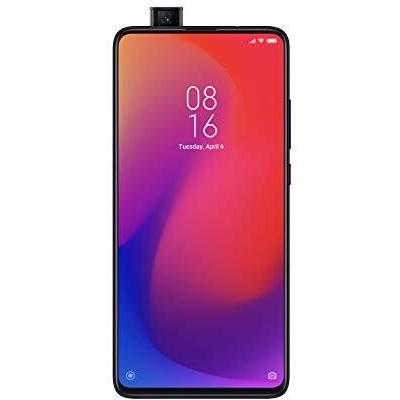
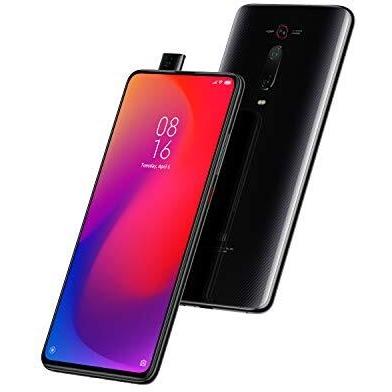
Xiaomi Mi 9T Pro Dual-SIM 128GB



Sponsored This site contains affiliate links for which we may receive compensation. More information
 Batna 24 (UK)
Xiaomi Mi 9T Pro | Smartphone | 6GB RAM, 128GB storage, Carbon Black, EU version
324.26 GBP
Price updated on: 04-04-2024 03:29:17
324.26 GBP
Price updated on: 04-04-2024 03:29:17 Find other available options:

| Identifiers | |
|---|---|
| MPN | Xiaomi M1903F11G |
| Dimensions / Weight | |
| Key Features | |
|
2G standards A list of the cellular network technologies and standards that a device supports, such as GSM, GPRS, EDGE, HSPA, LTE, VoLTE or 5G NR. The values are typically separated by commas and may include both technical identifiers and consumer‑friendly labels.
|
GSM |
|
3G standards A list of the cellular network technologies and standards that a device can connect to, such as GSM, GPRS, EDGE, UMTS, HSDPA, HSUPA, LTE, VoLTE or 5G NR. The values are typically separated by commas and may include both technical identifiers and consumer‑friendly labels.
|
WCDMA |
|
4g standard A list of the cellular network standards that a device supports for 4G connectivity, such as LTE, LTE‑TDD, LTE‑FDD, LTE‑A, and other variants. The values are typically separated by commas and may include both technical identifiers and consumer‑friendly labels.
|
LTE |
|
AC adapter included Indicates whether the product comes with an AC power adapter included in the package. A value of "Yes" means a charger is supplied, while "No" indicates that no charger is provided and the user must obtain one separately.
|
Yes |
|
Audio formats supported A list of audio codecs and file formats that the product can play or output, such as AAC, MP3, FLAC, Dolby Digital, DTS, etc. Each value represents a supported combination of compression technology and file extension.
|
AAC,AMR,APE,FLAC,MP3,MP4,WAV |
|
Battery technology The chemical composition or classification of a battery, such as lithium‑ion, lithium‑polymer, nickel‑metal hydride, sealed lead acid, alkaline, zinc‑air, etc. It indicates the type of electrochemical reaction that stores and delivers energy in the device.
|
Lithium Polymer (LiPo) |
| Bluetooth profiles | APT-X |
|
Cables included A list of the cable types that are supplied with the product, such as USB, HDMI, VGA, DisplayPort, LAN (RJ‑45), SATA, audio or other relevant connectors.
|
USB Type-C |
|
Colour The colour or combination of colours that a product is available in, expressed as common names such as "Black", "Silver" or comma‑separated lists like "Black, White". It indicates the visual appearance of the item for consumers.
|
Black |
|
Colour name The main colour(s) that a product is available in, expressed as common names such as "Black", "Silver" or comma‑separated lists like "Black, White". This attribute indicates the visual appearance of the item for consumers.
|
Carbon Black |
|
Contrast ratio The contrast ratio is the proportion between the brightest and darkest luminance a display can produce, expressed as a simple ratio such as 1000:1. It indicates how well a screen can differentiate light from dark areas, affecting image clarity and color depth.
|
60000:1 |
|
Digital zoom Represents the multiplier that indicates how many times an image or field of view is enlarged by digital zoom. The value is expressed as a number without units, such as "4x" or "1.5x", where the numeric part indicates the factor of increase.
|
10 |
|
Display glass type The material or protective coating used on a product’s display surface, such as Gorilla Glass, Ceramic Shield, Edge‑to‑Edge glass, or tempered glass. It indicates the type of glass that protects the screen and can affect durability, scratch resistance, and touch sensitivity.
|
Gorilla Glass |
|
Display resolution The pixel dimensions of a display or image, expressed as width by height (e.g., 1920x1080). It indicates how many pixels are used to render visual content and is commonly used for monitors, TVs, smartphones, cameras, and digital images.
|
2340x1080 |
|
Display type The type of visual panel or display technology used in a product, such as LCD, LED, OLED, TFT, IPS, AMOLED, or analog. It indicates the underlying technology that determines image quality, color reproduction, power consumption and suitability for different use cases.
|
AMOLED |
|
Flash type The illumination technology used by a device’s camera or light source, such as LED, incandescent, xenon, or other flash types. It indicates the underlying mechanism that provides burst lighting for photography or general illumination.
|
LED |
|
Form factor Specifies the physical configuration or design of a product, such as ATX, Micro‑ATX, Mini‑ITX, tower, case with cover, etc. It describes how the device is built and what mounting or expansion options it supports.
|
Bar |
|
Front camera resolution The pixel dimensions of the front-facing camera, expressed as width by height (e.g., 1920x1080). It indicates how many pixels the camera can capture, affecting image and video quality.
|
20 |
|
Front camera type Indicates the number and arrangement of cameras located on the front side of a device, such as single or dual setups. This attribute helps users understand how many lenses are available for selfies, video calls, and other front‑camera functions.
|
Single camera |
|
Google applications A comma‑separated list of Google apps that the product can run or interact with, such as Gmail, Google Chrome, Google Drive, Google Maps, YouTube, etc. The field may be empty if no Google applications are supported.
|
Google Maps,Google Play |
|
Graphics card The specific model or designation of the graphics processing unit (GPU) installed in a device, such as "Iris Xe Graphics", "Mali‑G72 MP3" or "AMD Voyager". This value helps users compare visual performance and compatibility across products.
|
Adreno 640 |
|
Headphone connectivity Indicates the types of headphone or earphone connections available on a product, such as wired jacks (e.g., 3.5 mm), USB‑C, Lightning, or wireless Bluetooth. The value may list one or more connection types separated by commas.
|
3.5 mm |
|
Memory ram The amount of random‑access memory (RAM) physically installed in a device, expressed as a digital capacity such as megabytes (MB) or gigabytes (GB). It indicates how much information the system can hold for active processes and affects multitasking performance.
|
6 GB |
|
Mobile network generation The cellular network generation supported by a device, such as 2G, 3G, 4G, or 5G. It indicates the overall technology tier that determines data speeds and coverage characteristics.
|
4G |
|
Navigation A list of satellite navigation systems integrated into the device, such as GPS, GLONASS, BeiDou, Galileo or combinations thereof. The value indicates which positioning services are supported and can be used for location-based features.
|
A-GPSGPSGalileoGLONASSBeiDou |
|
Operating system installed The operating system that is installed on the device, indicating the software platform that manages hardware resources and provides services for applications. It can be a commercial OS such as Windows or macOS, an open‑source distribution like Linux, or a proprietary firmware used in embedded devices.
|
Android 9.0 |
|
Personal info management Una lista que indica las distintas funcionalidades relacionadas con la gestión y el acceso a información personal disponibles en un dispositivo, como alarmas, calculadoras, calendarios, recordatorios de eventos, notas, listas de tareas, temporizadores, contadores de pasos, grabación de voz, etc. Cada elemento representa una característica que permite al usuario organizar o acceder a datos personales directamente desde el producto.
|
Alarm clock, Calculator, Calendar |
|
Personalization A collection of features that can be customized by the user on a device, such as icons, menus, shortcuts, themes, wallpapers and widgets. Each item represents an individual setting or element that can be enabled, disabled or rearranged to personalize the user interface.
|
Icons, Menu |
|
Platform The primary software platform that the product runs on, such as Android, iOS, Windows, macOS, or Linux. It indicates which operating system is required for installation or operation and helps users identify compatibility with their devices.
|
Android |
|
Processor family The processor family identifies the group or series of CPU models that share a common architecture, design, and performance characteristics. It helps users compare processors across brands and generations by indicating the underlying technology used in the chip.
|
Qualcomm Snapdragon |
|
Rear camera resolution The pixel dimensions of a rear-facing camera, expressed as width by height (e.g., 1920x1080). It indicates how many pixels the camera can capture, affecting image and video quality.
|
8000x6000 |
|
Rear camera sensor size The diagonal measurement of the rear camera sensor expressed in units such as inches or centimeters. It indicates the overall visual area available for image capture and is commonly used to compare camera modules across devices.
|
44.6 |
|
Rear camera type The type of rear camera configuration on a device, such as single, dual, triple or quad cameras. It indicates how many lenses are mounted at the back and can help users understand the photographic capabilities.
|
Triple camera |
| Screen shape | Flat |
|
SIM card capability A list of the SIM card configurations that a device can accommodate, such as Single SIM, Dual SIM (dual‑standby or dual‑active), Hybrid Dual SIM, or Triple SIM. Each entry describes one supported configuration and helps users understand how many and what types of SIM cards can be used simultaneously.
|
Dual SIM |
|
Sim card type The physical form factor of the SIM card that a device can accept, such as Nano‑SIM, Micro‑SIM, Mini‑SIM, or eSIM. It indicates which size and technology of SIM card is compatible with the product.
|
NanoSIM |

Xiaomi is a Chinese electronics company founded in 2010. It is best known for its smartphones, but also produces other electronics such as laptops, tablets, and home appliances. Xiaomi has a strong online presence and its products are popular in China and other parts of Asia.


