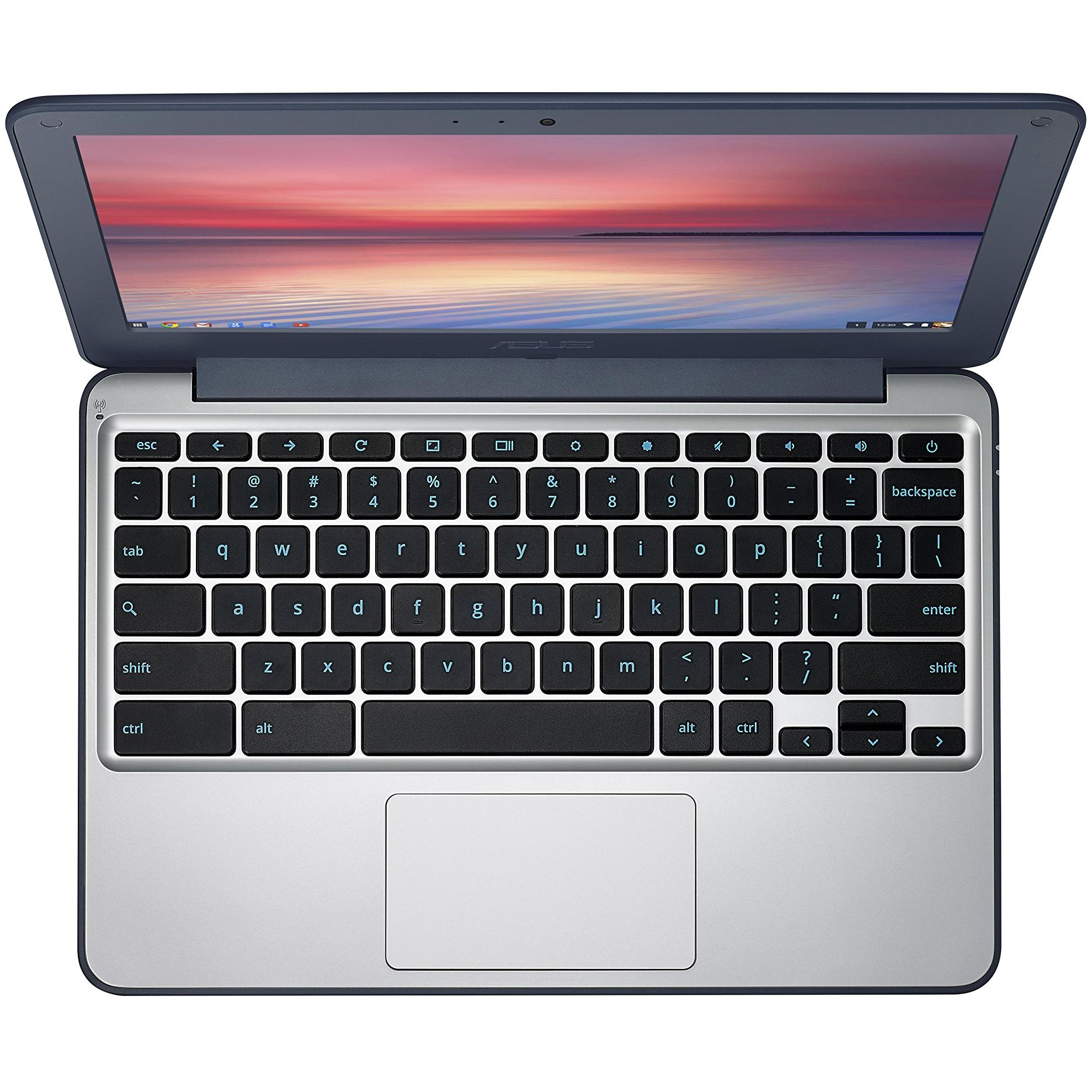
ASUS Chromebook C202SA GJ0025 Laptop


Sponsored This site contains affiliate links for which we may receive compensation. More information

Find other available options:

| Identifiers | |
|---|---|
| Model | ASUS C202SA-GJ0025-OSS |
| MPN | ASUS C202SA-GJ0025-OSS |
| Dimensions / Weight | |
| Key Features | |
|
3G Indicates whether the product is capable of connecting to 3G mobile networks (UMTS). A value of "Yes" means the device includes a 3G radio and can use 3G data services; "No" indicates it does not support 3G connectivity.
|
No |
|
4G Indicates whether the product is capable of connecting to a 4G cellular network for data or voice services.
|
No |
|
64-bit computing Indicates whether the product can run software or operating systems that require a 64‑bit architecture.
|
Yes |
|
AC adapter frequency The operating frequency of the alternating current supplied to an AC adapter, expressed in hertz (Hz). It indicates the mains frequency range that the charger can handle and ensures proper operation with the connected device.
|
50/60 |
|
AC adapter included Indicates whether the product comes with an AC power adapter included in the package. A value of "Yes" means a charger is supplied, while "No" indicates that no charger is provided and the user must obtain one separately.
|
Yes |
|
AC adapter input voltage The range of alternating current voltage that an AC adapter can accept, expressed in volts (V). It specifies the minimum and maximum supply voltages compatible with the device, ensuring safe operation across different regions and power standards.
|
100 - 240 |
|
AC adapter output current The electrical current supplied by an AC power adapter to a device, expressed in amperes (A). It indicates the maximum output current that the adapter can provide under normal operating conditions and helps users verify compatibility with devices or accessories that require a specific input current.
|
2.1 A |
|
AC adapter output voltage The electrical potential difference supplied by the AC adapter to a device, expressed in volts (V). It indicates the nominal voltage that the charger outputs and is used to match the adapter with compatible equipment.
|
19 |
| AC adapter power | 40 W |
|
AC input frequency The frequency of the alternating current supplied to a power supply or charger, expressed in hertz (Hz). It indicates the acceptable operating range for the electrical mains that powers the device, ensuring proper functionality and safety.
|
47 - 63 |
|
AC input voltage The range of alternating current voltage that the product accepts from its power source, expressed in volts (V). It indicates the minimum and maximum supply voltages compatible with the device across different regions.
|
90 - 264 |
|
Aspect ratio The proportion between the width and height of a display, image or video, expressed as two numbers separated by a colon (e.g., 16:9). It indicates whether content is designed for widescreen, square, or other aspect ratios.
|
16:9 |
|
Auto-redialing Indicates whether a device or service automatically attempts to reconnect a call after an initial disconnection, without user intervention.
|
Yes |
|
AWG wire size The American Wire Gauge (AWG) size of a conductor, expressed as an integer that indicates the wire’s diameter and cross‑sectional area. Lower numbers represent thicker wires with higher current capacity; higher numbers indicate thinner conductors suitable for lower currents or signal applications.
|
26 |
|
Battery cells The count of individual electrochemical cells that make up a battery pack. This number indicates how many separate cells are connected in series or parallel to provide the required voltage and capacity for the device.
|
2 |
|
Battery technology The chemical composition or classification of a battery, such as lithium‑ion, lithium‑polymer, nickel‑metal hydride, sealed lead acid, alkaline, zinc‑air, etc. It indicates the type of electrochemical reaction that stores and delivers energy in the device.
|
Lithium Polymer (LiPo) |
| Bluetooth | Yes |
|
Buffer size (Drive device) The amount of data that a drive device can temporarily store in its internal memory before processing or transferring it. The value is expressed with a digital capacity unit such as kilobytes, megabytes, or gigabytes. This attribute helps users understand the performance and efficiency of the drive when handling data streams.
|
64 MB |
| Built-in barcodes | 1D,2D,CODABAR (NW-7),EAN13,EAN8,Industrial 2/5,Interleaved 2/5,POSTNET,UPC-A,UPC-E |
|
Built-in display Indicates whether the product includes a built‑in screen or display unit that can be used directly for viewing content, such as an integrated monitor on a laptop or a built-in display on appliances. A value of "Yes" means the device has such a display; a value of "No" means it does not.
|
Yes |
|
Built-in microphone Indicates whether the product includes a built‑in stereo microphone, i.e., a single integrated microphone that captures sound from two channels for higher audio fidelity. A value of "Yes" means such a microphone is present; "No" indicates it is absent.
|
Yes |
|
Built-in processor Indicates whether the product contains a built‑in central processing unit (CPU) that can execute instructions without requiring an external processor module. A value of "Yes" means the device has such a CPU; "No" means it does not.
|
Yes |
|
Bundled software A list of software applications, operating systems, drivers, or utilities that are pre-installed or bundled with the product. The values may include antivirus suites, productivity tools, device management utilities, and other essential software components.
|
DMX Config |
|
Cable colour The visual hue or combination of hues that a cable exhibits, expressed as common colour names such as "Black", "White" or comma‑separated lists like "Black, White". It indicates the appearance of the cable for identification and aesthetic purposes.
|
Black |
|
Cable Lock Slot Indicates whether the product includes a slot for inserting a cable lock, such as a Kensington or similar security device.
|
Yes |
|
Cable lock slot type Specifies the type of interface or mechanism used to secure a cable in its port, such as Kensington, Noble, IBM, or other standard lock slots. This attribute helps users identify compatibility and security features of the device.
|
Kensington |
|
Cable rating The classification or category of a cable, indicating its technical specifications such as shielding type, conductor gauge, and intended use. It helps users identify the appropriate cable for their equipment and network requirements.
|
CMG (CM) |
|
Cable shielding The type of electromagnetic shielding applied to a cable or its connector, indicating whether the cable is unshielded, shielded with foil, braided, or uses a combination such as UTP, FTP, S‑FTP, or other common configurations. This attribute helps users identify compatibility with devices that require specific shielding levels.
|
SF/UTP (S-FTP) |
|
Cable standard The category or technology of a cable, such as Cat5e, Cat6, HDMI, USB, SATA, fiber optic, or other transmission types. It identifies the primary function and compatibility of the cable with devices and systems.
|
Cat6 |
|
Cables included A list of the cable types that are supplied with the product, such as USB, HDMI, VGA, DisplayPort, LAN (RJ‑45), SATA, audio or other relevant connectors.
|
AC |
|
Camera The pixel dimensions or video quality that a camera can capture, expressed as a resolution such as 720p, 1080p, or 1920x1080. It indicates the overall detail and clarity of images or videos produced by the device.
|
Yes - HD |
|
Capacity The total amount of space or volume that a product can hold, expressed in an appropriate unit such as GB, MB, TB for digital storage or L, ml, cl for liquid capacity. This attribute helps users compare how much content a device or container can accommodate.
|
38 Wh |
|
Card reader integrated Indicates whether the device includes a built‑in card reader that can read removable memory cards such as SD, microSD, MMC or similar formats.
|
Yes |
|
Case material The type of material used to construct the outer shell or enclosure of a watch, such as metal (steel, titanium), plastic, resin, ceramic, or composite blends. This attribute helps users understand durability, weight, appearance, and suitability for specific applications.
|
Plastic |
|
Certification A list of official certifications or compliance marks that the product has received from regulatory bodies, safety organizations, or industry standards groups. Each entry represents a distinct certification such as CE, FCC, RoHS, UL, or WEEE, and may include additional details like version numbers or specific test reports.
|
UL, CE Marking Compliance, FCC Compliance, CB, EPEAT, EU Flower, Energy star, CECP, WEEE, Erp 2013 |
|
Charging port type The physical connector used to charge the device, such as USB Type‑C, DC‑in jack, Micro‑USB, or proprietary connectors. It indicates the type of port that supplies power to the product and helps users identify compatible chargers or accessories.
|
DC-in jack |
|
Colour The colour or combination of colours that a product is available in, expressed as common names such as "Black", "Silver" or comma‑separated lists like "Black, White". It indicates the visual appearance of the item for consumers.
|
Blue, Grey |
|
Colour display Indicates whether the product’s display can show color images or is limited to monochrome output. A value of "Yes" means the screen supports full‑color rendering; "No" indicates a black‑and‑white or single‑colour display.
|
No |
|
Colours A colour is a visual attribute that describes the hue or shade of an object or surface. It can be a single dominant colour, a combination of colours, or a range such as "Black, White". The value may be expressed in common names (e.g., Black, Silver) or descriptive terms (e.g., One Colour, Assorted).
|
Grey IMR (top) |
|
Compatible memory cards List of the memory card types that a device can read or write, such as MicroSD (TransFlash), SD, MMC, CompactFlash, and others. Each value represents a format that the device’s slot or reader supports for storage expansion.
|
SD,SDHC,SDXC |
|
Component for Specifies the type of device or system that the product is intended to be used with, such as a PC, server, notebook, surveillance system, or other electronic equipment. The value represents a single category and can be used to filter or group products by their target platform.
|
Surveillance system |
|
Conflict free processor Indicates whether the processor in the device is certified as conflict‑free, meaning it has been tested and confirmed to operate without conflicts or incompatibilities with other system components. A value of "Yes" means the processor meets the conflict‑free standard; "No" indicates it does not.
|
Yes |
|
Connectivity technology The network and data interface technologies supported by the product, such as Wired, Wireless, USB, Bluetooth, or combinations thereof. Each value represents a distinct technology that can be used for communication or power delivery.
|
Wired |
|
Connector 1 The physical interface or port located at the first end of a cable or device, such as USB‑A, HDMI, RJ‑45, DisplayPort, Lightning, or other standard connectors. It identifies the shape, pin count and electrical characteristics that determine compatibility with cables, adapters or other components.
|
RJ-45 |
| Connector gender | Male/Male |
|
Copier resize The percentage by which a document is scaled when printed, copied or scanned. A value of 100% means the output size matches the original; values below 100% reduce the size and values above 100% enlarge it.
|
25 - 400% |
|
Copying Indicates whether the device can perform copy functions and the type of copying it supports (e.g., colour or monochrome). The value is a free‑text label that describes the copying feature available on the product.
|
Mono copying |
|
Core diameter The linear measurement across the central optical core of a fiber cable, expressed in units such as micrometres (µm), millimetres (mm) or centimetres (cm). It represents the width of the light‑guiding region and is used to identify the fibre type (e.g., single‑mode vs multimode) and its compatibility with connectors and equipment.
|
2.56 cm |
| CPU | Intel Celeron N3060 / 1.6 GHz |
| DC-in jack | Yes |
|
Depth The linear measurement of an object from front to back or top to bottom, expressed in a physical unit such as millimeters, centimeters, inches, etc. It indicates how deep the item is and can be used for fitting, compatibility, or spatial planning.
|
200 mm |
|
Device type The general classification of a product, such as tablet, smartphone, router, or computer. It indicates the primary function or form factor that helps buyers quickly identify and compare similar items.
|
HDD |
|
Digital sender Indicates whether the product is capable of transmitting digital signals or data, such as through a digital output interface. The value is "Yes" when the feature is present and "No" when it is not.
|
No |
|
Direct printing Indicates whether the device can print directly from mobile devices, network shares or other sources without requiring additional drivers or software installation. A value of "Yes" means the printer supports direct printing technologies such as AirPrint, Mopria Print Service, or similar solutions; a value of "No" indicates that direct printing is not supported.
|
Yes |
|
Discrete graphics adapter Indicates whether the product includes a dedicated graphics adapter (discrete GPU) separate from any integrated graphics. A value of "Yes" means a discrete GPU is present, while "No" indicates only integrated graphics are available.
|
No |
| Discrete graphics adapter model | Not available |
| Display | LCD |
| Display diagonal | 29.5 cm (11.6") |
|
Display resolution The pixel dimensions of a display or image, expressed as width by height (e.g., 1920x1080). It indicates how many pixels are used to render visual content and is commonly used for monitors, TVs, smartphones, cameras, and digital images.
|
1366 x 768 pixels |
|
Display surface The visual appearance or texture of a product’s display surface, such as matte, glossy, or satin. It indicates how light reflects off the screen and can affect glare, visibility, and aesthetic preference for users.
|
Matt |
| Docking connector | No |
|
Document formats supported A list of file formats that the product can open, view or print, such as PDF, DOCX, TXT, XPS and other common office or text documents. Each value represents a distinct format supported by the device’s software or firmware.
|
|
|
Drivers included Indicates whether the product comes with drivers included in the package or available for download. A value of "Yes" means that drivers are supplied, while a value of "No" indicates they are not provided and must be obtained separately.
|
Yes |
|
Duplex functions A comma‑separated list of the duplex capabilities that a device can perform, such as automatic duplex printing, manual duplex printing, duplex scanning, or any other dual‑side operation mode. The values indicate which duplex functions are available on the product and help users understand how the device handles double‑sided documents.
|
Not supported |
|
Duplex printing modes A list of the available duplex printing options for a device, such as automatic or manual mode. Each value indicates how the printer handles double‑sided pages when a job is sent.
|
Manual |
|
ECC supported by processor Indicates whether the processor in a device supports Error Correcting Code (ECC) memory, allowing detection and correction of single-bit errors during data storage or transfer.
|
No |
|
Embedded options available Indicates whether the product includes embedded options such as firmware features, hardware modules or configuration settings that are built into the device and available for use without external accessories.
|
Yes |
| Energy Star certified | Yes |
| Enhanced intel speedstep technology | Yes |
|
Ethernet LAN Indicates whether the product includes an Ethernet LAN interface for wired network connectivity, allowing data transmission over RJ‑45 or compatible cables.
|
No |
|
Ethernet LAN data rates Maximum theoretical speed at which a device can send or receive data over its Ethernet LAN interface, expressed in megabits per second (Mbps) or gigabits per second (Gbps). It represents the upper bound of throughput under optimal conditions and is useful for comparing network performance between devices with wired connectivity.
|
10,100 Mbit/s |
|
Execute disable bit Indicates whether the processor’s Execute Disable bit is enabled, allowing the CPU to prevent execution of code from memory regions marked as non-executable.
|
Yes |
|
Execution units Represents the count of independent execution units within a processor or similar component. The value is an integer without any unit of measure, indicating how many discrete execution cores or threads are available for parallel processing.
|
12 |
|
Fax forwarding Indicates whether the device supports automatic forwarding of incoming faxes to another fax number or email address.
|
Yes |
|
Fax Memory The amount of memory available for storing fax documents, expressed either as a number of pages or as a digital storage size (e.g., megabytes). It indicates how many faxes can be queued or archived before the device requires clearing or additional storage.
|
1000 pages |
|
Fax resolution B / W The pixel dimensions of a fax machine’s display or output, expressed as width by height (e.g., 300 x 300 DPI). It indicates how many pixels are used to render the visual content and is commonly applied to fax machines, printers, and multifunction devices.
|
300 x 300 DPI |
|
Fax speed dialing max numbers The highest count of telephone numbers that can be stored for quick dialing on a fax machine or multifunction device. This value indicates how many contacts the user can pre‑save for rapid access during fax operations.
|
120 |
|
Fax transmission speed The time required for a fax machine to transmit one page, expressed as seconds per page. This metric indicates the speed of the device’s faxing capability and allows users to compare how quickly different models can send or receive documents.
|
3 sec/page |
| Faxing | Mono faxing |
|
Flash memory The total amount of internal flash memory available in a device, expressed as a data size (e.g., megabytes or gigabytes). This attribute indicates how much data can be stored on the device’s built‑in flash storage and is useful for comparing storage capacity across products.
|
8 MB |
|
Form factor Specifies the physical configuration or design of a product, such as ATX, Micro‑ATX, Mini‑ITX, tower, case with cover, etc. It describes how the device is built and what mounting or expansion options it supports.
|
Clamshell |
|
Frame The shape or silhouette of the eyewear frame, such as Rectangle, Cat‑Eye, Round, etc. It describes the overall geometry that determines how the lenses are mounted and how the glasses fit the wearer.
|
Yes |
|
Frame material The material used to construct the outer frame of a product, such as metal, plastic, wood, or composite blends. This attribute helps users understand durability, weight, appearance, and suitability for specific applications.
|
Aluminium |
|
Frequency The operating frequency of a device or component, expressed in hertz (Hz). It represents the number of cycles per second that the product’s internal circuits or wireless radios can run and is useful for comparing performance across similar products.
|
500 MHz |
|
Front camera Indicates whether the product is equipped with a front-facing camera. The value can be "Yes" or "No", representing the presence or absence of this camera.
|
Yes |
|
Graphics processor The name or model of the graphics processing unit (GPU) installed in a device, such as "GeForce GTX 1080" or "AMD Radeon RX 580". This value helps users understand the visual performance and capabilities that the product can deliver.
|
Intel HD Graphics 400 |
|
Handles Indicates whether a product includes one or more handles that allow it to be held by hand or used as a support for transport.
|
No |
|
Hard drive capacity The total storage capacity of an internal hard drive installed in the product, expressed as a numeric value with an appropriate unit such as GB, MB, or TB. This attribute helps users understand how much data can be stored on the device.
|
2000 GB |
|
Hard drive interface The physical or logical interface used by a hard drive to connect with other components, such as SATA, SAS, USB, PCI Express, or M.2. It indicates the technology that enables data transfer and power delivery between the device and its host system.
|
Serial ATA III |
|
Hard drive size The physical width of a hard drive measured in inches or millimetres, typically expressed as the diagonal size of the drive’s enclosure (e.g., 2.5" or 3.5"). This measurement indicates the form factor that determines compatibility with computer bays, external enclosures, and mounting brackets.
|
3.5" |
|
HD type The pixel dimensions of a product’s screen, expressed as width by height (e.g., 1920x1080). It indicates the total number of pixels that compose the display and is used to assess image sharpness and clarity across devices such as monitors, TVs, laptops, and cameras.
|
HD |
|
HDMI A list of the HDMI ports available on the product, each entry indicating the number of ports and their specific HDMI version or additional features (e.g., "2 x HDMI 2.0b", "1 x HDMI 1.4 with CEC"). This attribute helps users understand both the quantity and capabilities of the HDMI connections.
|
1 |
|
Height The vertical dimension of a product measured from its lowest to highest point. It is expressed in a physical unit such as millimetres, centimetres or inches and applies to any item where height is relevant, including books, electronics, furniture and other objects.
|
22.5 mm |
|
Housing material Indica el material o la combinación de materiales con los que está fabricado el componente más importante de un producto, como metal, plástico, vidrio u otros compuestos. Este atributo ayuda a comprender la durabilidad, peso y estética del artículo.
|
Metal |
|
HP ePrint Indicates whether a printer or related device supports HP ePrint, the feature that allows documents to be sent for printing from mobile devices and computers via an app or web service.
|
Yes |
| HP Management tools | HP Printer Assistant, HP Device Toolbox, HP Utility |
|
Idle states A list of the various low‑power or standby modes that a device can enter to conserve energy when not actively performing tasks.
|
Yes |
|
Image formats supported A list of the file extensions and codecs that a product can read, display, or record. Each value represents a valid format such as JPG, PNG, BMP, GIF, HEIF, WebP, RAW, etc., and may include both the extension and the associated codec name.
|
BMP,IMG,PCX |
|
Included accessories A list of items that come with the product as part of its standard package. Each entry describes a component or accessory such as cables, adapters, batteries, or manuals. The list helps customers understand what they will receive without needing to purchase additional accessories.
|
Power adapter |
|
Input The range of electrical voltage that a device accepts from its power source, expressed in volts (V). It specifies the minimum and maximum supply voltages compatible with the product, covering both AC and DC inputs where applicable.
|
AC 120/230 V (50/60 Hz) |
|
Input colour depth The number of distinct colours that a device can capture or process from an input source, expressed as an integer value such as "48 bit" or "24 bit". This metric indicates the richness and fidelity of colour reproduction for scanned images or captured media.
|
24 bit |
|
Installation type The manner in which a product is mounted or positioned when installed, such as freestanding, built‑in, wall‑mounted, or portable. This attribute helps buyers understand how the item will be set up and whether it requires additional fixtures or supports.
|
Fixed |
|
Integrated 4G WiMAX Indicates whether a device includes built‑in 4G WiMAX connectivity, allowing it to access mobile broadband networks without an external modem.
|
No |
|
Intel 64 Indicates whether the processor is compatible with the Intel® 64 architecture, enabling it to run operating systems and applications designed for x86‑64 processors.
|
Yes |
|
Intel clear video technology Indicates whether the product incorporates Intel’s Clear Video HD technology, a hardware feature that enhances video playback and capture quality by providing smoother motion, reduced artifacts, and improved color accuracy.
|
Yes |
|
Intel enhanced halt state Indicates whether the processor includes Intel’s Enhanced Halt State feature, which allows the CPU to enter a low‑power idle mode when not actively executing instructions, thereby reducing energy consumption without compromising performance.
|
Yes |
|
Intel rapid storage technology Indicates whether the product supports Intel Rapid Storage Technology, a software and firmware solution that enables RAID configurations, improves storage performance, and provides data protection features for compatible drives.
|
No |
|
Intel Secure Boot Indicates whether the product supports Intel Secure Boot, a firmware security feature that ensures only trusted software is loaded during system startup.
|
Yes |
|
Intel smart connect technology Indicates whether the product incorporates Intel Smart Connect Technology, a feature that enables automatic network connectivity and device management for seamless integration into enterprise or home environments.
|
No |
| Intel Stable Image Platform Program | No |
|
Intel trusted execution technology Indicates whether the product incorporates Intel’s Trusted Execution Technology, a security feature that creates isolated execution environments to protect sensitive code and data from tampering or unauthorized access.
|
No |
|
Intel Virtualization Technology Indicates whether the product supports Intel’s virtualization technology, which enables efficient execution of virtual machines by providing hardware‑assisted features such as VT‑x and VT‑d for CPU instruction set extensions.
|
Yes |
|
Intel Virtualization Technology for Directed I/O Indicates whether the product supports Intel Virtualization Technology for Directed I/O, a feature that enables efficient virtualization of input/output operations by allowing virtual machines to directly access hardware devices.
|
No |
| Intel VT-x with Extended Page Tables | Yes |
|
Intel® AES New instructions Indicates whether the product’s processor supports the Intel® Advanced Encryption Standard (AES) instruction set, which enables faster and more efficient cryptographic operations.
|
Yes |
|
Intel® Anti-Theft Technology Indicates whether a product incorporates Intel’s anti‑theft technology, which provides hardware‑based protection against unauthorized access and theft of the device.
|
No |
| Intel® Clear Video HD Technology | Yes |
|
Intel® Clear Video Technology for Mobile Internet Devices Indicates whether the product incorporates Intel’s Clear Video HD technology, a hardware acceleration feature that improves video playback and capture quality by optimizing decoding and rendering pipelines.
|
Yes |
|
Intel® High Definition Audio Indicates whether the product supports Intel High Definition Audio technology, which provides high‑quality audio input and output through an integrated audio controller.
|
Yes |
|
Intel® Hyper Threading Technology Indicates whether the processor supports Intel® Hyper‑Threading Technology, allowing each physical core to handle multiple execution threads simultaneously for improved multitasking performance.
|
No |
|
Intel® Identity Protection Technology Indicates whether the product incorporates Intel® Identity Protection Technology, a security feature that protects user identities and credentials by providing secure authentication and credential management.
|
Yes |
| Intel® Insider™ | No |
|
Intel® InTru™ 3D Technology Indicates whether the product incorporates Intel® InTru™ 3D technology, a feature that enables efficient generation and rendering of three‑dimensional content with improved performance and visual quality.
|
No |
|
Intel® OS Guard Indicates whether the product incorporates Intel® OS Guard, a security feature that protects the operating system from attacks and ensures software integrity.
|
No |
|
Intel® Quick Sync Video Technology Indicates whether the product incorporates Intel Quick Sync Video, a hardware‑accelerated video processing feature that enables faster encoding and decoding of common formats such as H.264, H.265, and VP9 while reducing power consumption.
|
Yes |
|
Intel® Secure Key Indicates whether the product includes Intel Secure Key support, a hardware feature that allows secure generation and storage of cryptographic keys within the processor. Presence of this capability enhances protection against physical attacks and simplifies key management for sensitive data.
|
Yes |
|
Intel® Small Business Advantage Indicates whether the product supports Intel® Small Business Advantage, a program that provides small businesses with access to discounted hardware, software, and services tailored for their needs.
|
No |
|
Intel® Smart Response Technology Indicates whether the product incorporates Intel Smart Response, a technology that accelerates hard‑disk performance by using a portion of system memory as a cache for frequently accessed data.
|
No |
|
Intel® Turbo Boost Technology The maximum operating frequency that a processor can reach when its turbo or boost feature is active, expressed in hertz (Hz). This value indicates the peak performance capability of the CPU under load and helps users compare how fast a processor can run beyond its base clock speed.
|
No |
|
Intel® vPro™ Technology Indicates whether the product incorporates Intel® vPro technology, a suite of features that provide enhanced security, remote management, and performance optimization for business environments.
|
No |
|
Intel® Wireless Display Indicates whether the product can stream video and audio wirelessly to a compatible display or receiver using technologies such as Miracast, Intel Wi‑Display, or similar protocols. A value of "Yes" means the device has the necessary hardware and software support; "No" means it does not.
|
Yes |
|
Internal memory The total amount of internal memory available in a device, expressed as a data size such as megabytes (MB) or gigabytes (GB). It indicates how much information the component can hold for active processes and affects multitasking performance.
|
4 GB |
|
Intrusion Protection Indicates whether a product includes a dedicated security lock slot, typically used for attaching a cable lock or similar locking mechanism to prevent unauthorized removal or theft.
|
Security lock slot (cable lock sold separately) |
|
Jacket material The outer jacket material is the substance that forms the protective sheath or covering of a product, such as cables, hoses, or enclosures. It determines durability, fire‑resistance, and suitability for specific environments. Common materials include PVC, LSZH, TPE, nylon, ABS, and their combinations.
|
Polyvinyl chloride (PVC) |
|
Keyboard A concise description of the keyboard’s configuration, including its key arrangement (e.g., QWERTY, UK Layout), illumination type (backlit, RGB, per‑key), and any additional characteristics such as spill resistance, numeric keypad, or ergonomic design. The value is a comma‑separated list that may contain multiple attributes.
|
No |
|
LCD Backlight Technology The type of illumination source used behind an LCD panel, such as LED, WLED, or edge‑lit configurations. This attribute indicates how the display is backlit and helps users compare brightness, energy efficiency, and visual quality across products.
|
LED backlight |
|
LED backlight The illumination source used behind a display panel, such as LED, WLED, CCFL or LCD. It determines the brightness, energy efficiency and color accuracy of the screen.
|
Yes |
|
LED indicators A list of the functions or statuses that an LED indicator on a device can display, such as power status, activity, link, and other operational signals.
|
Yes |
|
Main storage The total amount of data that can be stored on the main internal storage component of a device, expressed as a numeric value with an appropriate unit such as GB, MB, or TB. This attribute indicates how much information the product can hold in its primary memory and helps users compare storage options across devices.
|
16 GB SSD - (eMMC) |
|
Market positioning A classification that indicates the target audience or use case for a product, such as Business, Gaming, Home & Office, Education, etc. It helps customers quickly identify which products are best suited to their needs.
|
Home & office |
|
Maximum Copy Resolution The highest pixel resolution that a printer can produce, expressed as width by height (e.g., 600x1200). It indicates the finest detail achievable in printed documents and images.
|
600 x 400 DPI |
|
Maximum duty cycle The maximum number of pages a printer, copier or fax machine is designed to handle in a typical month of operation. It indicates the expected workload capacity and helps users compare how heavily different models can be used before reaching their limits.
|
10000 pages per month |
|
Maximum Label Length The longest linear dimension of a label that the product can produce or accommodate, expressed with a length unit such as meters, centimeters, inches, or a combination of both (e.g., "3 m" or "90" (2.29 m)"). It indicates the maximum width or height that a label printer or labeling system can handle, helping users choose compatible labels and plan print jobs.
|
2.5 m |
|
Maximum number of copies The total count of individual copies that a product can produce, print, or otherwise deliver in a single operation or session. It represents the maximum number of identical units that the device is capable of handling at once, such as the number of pages a printer can copy before needing to pause or reload. The value is an integer and may be accompanied by the word "copies" for clarity.
|
99 copies |
|
Maximum printing width The widest printable dimension of a product, expressed in a linear unit such as millimetres or inches. It indicates the maximum width of paper or media that can be fed through the device for printing operations.
|
16.3 cm |
|
Maximum Turbo Speed The highest clock frequency that a processor can reach when operating in turbo mode, expressed as a frequency value such as GHz or MHz. It indicates the peak performance capability of the CPU under load and is typically higher than its base frequency.
|
2.48 GHz |
| Mean time between failures | 1000000 h |
| Media Thickness | 0.06 - 0.25 |
| Memory card reader | 3 in 1 (SD Card, SDHC Card, SDXC Card) |
|
Memory form factor The physical configuration or size classification of a memory module, such as SO‑DIMM, UDIMM, RDIMM, or on‑board. It indicates the form factor that determines compatibility with motherboards and other hardware components.
|
On-board |
|
MIC port Indicates how many microphone input connectors are available on the product. The value is a simple integer representing the total count of MIC ports, regardless of type or version.
|
Yes |
|
Mobile Printing Technologies A comma‑separated list of mobile printing services or protocols that a device can use to send print jobs from smartphones, tablets or other mobile devices. Typical values include Apple AirPrint, Google Cloud Print, Mopria Print Service and similar cloud‑based solutions.
|
Apple AirPrint,Google Cloud Print,HP ePrint,Mopria Print Service |
| Non-ISO print media sizes | Executive |
|
Number of cores The total count of processing cores present in a CPU or GPU. This value indicates how many independent execution units are available for parallel processing, which can affect performance and multitasking capability.
|
Dual-Core |
|
Numeric keypad Indicates whether the product includes a numeric keypad area on its keyboard, typically found in full-size or laptop keyboards with an integrated numeric section.
|
No |
|
On-board graphics adapter The model name or number of the integrated graphics adapter built into a device, such as a laptop, desktop, or motherboard. It identifies the specific GPU variant used for rendering and video processing, allowing users to compare visual performance and compatibility across products.
|
Yes |
|
On-board graphics adapter base frequency The clock speed at which the integrated graphics processor runs under normal conditions, expressed in hertz (Hz). It indicates how many cycles per second the GPU performs and is useful for comparing visual performance across devices that use an on‑board graphics solution.
|
320 MHz |
| On-board graphics adapter burst frequency | 600 MHz |
|
Operating relative humidity The range of relative humidity (in percentage) within which the product is designed to operate reliably. Values are expressed as a minimum–maximum interval such as "20 - 80 %" and indicate the acceptable environmental moisture level for optimal performance.
|
10 - 90% |
|
Operating system The operating system installed on the device, indicating the software platform that manages hardware resources and provides services for applications. It can be a commercial OS such as Windows or macOS, an open‑source distribution like Linux, or a proprietary firmware used in embedded devices.
|
Google Chrome OS |
|
Operating system installed The operating system that is installed on the device, indicating the software platform that manages hardware resources and provides services for applications. It can be a commercial OS such as Windows or macOS, an open‑source distribution like Linux, or a proprietary firmware used in embedded devices.
|
Chrome OS |
|
Optical drive type The type of optical drive included in a device, such as DVD‑RW, DVD‑Writer, Blu‑Ray RW, or no optical drive. This attribute indicates whether the product can read or write optical media and specifies the particular model or capability when available.
|
No |
|
Optical scanning resolution The pixel dimensions of a scanner’s optical sensor, expressed as width by height (e.g., 1200×2400). It indicates how many pixels can be captured per scan and determines the sharpness and detail of scanned images.
|
1200 x 1200 DPI |
|
Optional connectivity A comma‑separated list of the network or data interface technologies that a product supports, such as Ethernet, Wireless LAN (Wi‑Fi), Serial (RS‑232/RS‑422), Parallel, Bluetooth, USB 2.0, NFC, Fiber, etc. The value may contain one or more interface names separated by commas.
|
Wireless LAN |
|
Output The electrical or functional output characteristics of a product, such as voltage, current, power, or throughput. It represents the quantity that the device delivers to its load or environment and is used to match accessories, assess performance, or compare models.
|
40 Watt, 19 V, 2.1 A |
|
Paper input type The type of paper input mechanism available in a printer or copier, such as a standard tray, cassette, sheet‑fed feeder, manual feed, or roll. It indicates how the device accepts and feeds paper for printing, scanning or copying.
|
Paper tray |
|
PCI Express configurations A textual description of how PCI Express lanes are distributed across the available slots or interfaces in a device. The value typically lists groups of lanes separated by commas, where each group may contain a number of lanes and optional ‘+’ signs to indicate combined lanes that share the same speed (e.g., "1x16", "2x8", "1x8+2x4"). This attribute helps users understand the bandwidth capacity and compatibility of expansion slots.
|
1x2+2x1,1x4,2x2,4x1 |
| PCI Express slots version | 2.0 |
|
Plug and play Indicates whether the product can be used immediately after installation without requiring additional configuration or drivers.
|
Yes |
|
Pointing device The type of pointing device integrated into or used with the product, such as a touchpad, clickpad, trackpoint, or mouse. The value is a free‑text label that identifies the specific form factor or mechanism the user interacts with to move the cursor or select items.
|
Touchpad |
| Power consumption | 5.6 W |
| Power consumption (off) | 0.5 W |
|
Power consumption printing The amount of electrical power a device uses during normal operation, expressed in watts (W). It represents the typical energy draw when the product is actively performing its intended functions and can be used to estimate operating costs or compare efficiency across similar devices.
|
255 W |
|
Power consumption ready The electrical power required by a device when it is in its ready or standby state, expressed in watts (W). This value represents the typical energy draw of the product while it is powered on but not actively performing tasks, and can be used to estimate idle consumption or compare efficiency across similar devices.
|
4.2 W |
|
Print speed The maximum speed at which a printer or label maker can produce output, expressed as a linear velocity (e.g., millimetres per second) or a page‑per‑minute rate. This value indicates how quickly the device can complete printing tasks and is useful for comparing throughput across models.
|
10 lpm |
| Print speed black normal quality A4/US Letter | 23 ppm |
| Print technology | Direct thermal / Thermal transfer |
|
Printing Indicates whether the printer can produce colour output or is limited to monochrome (black‑and‑white) printing. Typical values are "Colour printing" for devices that support full colour, "Mono printing" for black‑only devices, and "No" when colour capability is not available.
|
Mono printing |
|
Processor ARK ID The unique numeric identifier assigned by Intel to each processor model, used for precise identification and lookup of technical specifications.
|
91832 |
| Processor codename | Braswell |
| Processor lithography | 14 nm |
|
Processor model Identifies the exact model of the central processing unit used in a device, including brand and numeric designation such as "Intel Core i5-8250U" or "AMD Ryzen 7 3700X". This value allows users to distinguish between different processor families, generations, and performance levels.
|
N3060 |
|
Processor package size The overall dimensions of a processor’s physical package, expressed as length × width × height in millimetres or inches. It indicates the size that must fit within a motherboard socket or mounting area and helps users compare compatibility across different CPU models.
|
25 x 27 |
|
Processor series The processor series identifies the family or generation of a CPU, such as "Intel Xeon E5-2600" or "AMD Ryzen 5000". It is used to group models that share similar architecture, performance characteristics and compatibility features.
|
Intel Celeron N3000 series |
|
Processor socket The physical connector used by a processor to attach to a motherboard or compatible platform, such as LGA 1151, BGA 1440, Socket AM4, or LGA 1200. This attribute indicates the exact socket designation required for proper CPU installation and compatibility with other hardware components.
|
BGA 1170 |
|
Recommended duty cycle The expected number of pages a printer, copier or fax machine is designed to produce in an average month under normal operating conditions. It indicates the workload capacity that the device can handle without overheating or failure.
|
150 - 1500 pages per month |
|
Ribbon Length The linear distance that a ribbon covers, expressed with a length unit such as meters, centimeters or inches. It represents the total usable length of the ribbon for printing or labeling purposes.
|
650 m |
|
RoHS compliance Indicates whether the product is manufactured in accordance with the RoHS (Restriction of Hazardous Substances) directive, which limits the use of certain hazardous materials in electrical and electronic equipment.
|
Yes |
| Scan technology | CIS |
|
Scanner type The functional configuration of a scanner, indicating how documents are fed into the device. Common types include flatbed scanners with automatic document feeders (ADF), sheet‑fed scanners, single‑pass or dual‑pass ADFs, and specialized modes such as 1D/2D barcode readers. This attribute helps users understand whether the scanner can handle single pages, multiple pages automatically, or specific scanning formats.
|
Flatbed & ADF |
|
Scanning Indicates whether the product can perform scanning operations and what type of scans it supports (e.g., color or monochrome). The value is a free‑text label that may include terms such as "Color scanning", "Mono scanning" or simply "Yes/No" to denote availability.
|
Colour scanning |
|
Snagless cable boot Indicates whether the cable includes a snag‑free boot that protects the connector from damage and wear. A value of "Yes" means a snagless boot is present; "No" means it is absent.
|
Yes |
|
Sound Specifies the audio channel configuration (e.g., Mono, Stereo, 5.1) together with the language of the sound track (e.g., English, Spanish). The value is a free‑text string that may combine multiple attributes separated by slashes or commas.
|
Stereo speakers, microphone |
|
Standard input capacity The maximum number of paper sheets that a device can accept in a single feeding cycle, expressed as an integer value without units. This attribute helps users compare how many pages a printer, copier or scanner can process before needing to be refilled.
|
150 sheets |
|
Standard interfaces A list of the physical or logical interfaces that a device can use to connect with other devices, such as USB, Ethernet, Bluetooth, Wi‑Fi, RS‑232, RJ‑45, Parallel, and similar standards.
|
Ethernet, RJ-11, USB 2.0 |
|
Standard output capacity The maximum number of paper sheets a device can process—print, copy or scan—in a single standard output cycle. This value indicates the capacity of the input tray or feeder and helps users compare how much material each model can handle before needing to reload.
|
100 sheets |
|
Standard printer languages A list of the printing languages or command sets that a printer can understand and execute, such as PCL, PostScript, ESC/P‑R, or PDF. These languages define how the printer interprets page descriptions and controls printing operations.
|
PL-I,PL-Z |
|
Standard tray media types A list of paper, envelope, label, and other printable media that a device can accept for printing, copying or scanning. Each entry is a free‑text name such as "Plain paper", "Glossy paper" or "Envelope". The list may include multiple items separated by commas.
|
Card stock, Envelopes, Labels, Photo paper, Plain paper, Rough paper |
|
Start-up current The electrical current drawn by a device when it first powers on, expressed in amperes (A). It represents the initial surge of current required to start the product and can help users assess power supply compatibility or identify potential overload risks.
|
1.8 A |
|
Storage drive adapter included Indicates whether a storage‑drive adapter is supplied with the product. A value of "Yes" means an adapter is included in the package, while "No" indicates that no adapter is provided and must be purchased separately.
|
No |
|
Storage media The type of storage medium used in the product, such as SSD, HDD, eMMC, Flash, or hybrid combinations. It indicates whether the device uses solid‑state, magnetic, or other forms of memory and helps users understand the underlying technology.
|
eMMC |
|
Storage relative humidity The range of relative humidity (expressed as a percentage) within which the storage device is designed to operate reliably. Values are given as a minimum–maximum interval such as "10 - 90 %" and indicate the acceptable environmental moisture level for optimal performance.
|
5 - 95% |
| Supported paper width | 25 - 162.5 |
|
Surface material The type of material that composes the outermost layer or finish of a product, such as metal, plastic, glass, ceramic, fabric, or composite blends. This attribute helps users understand durability, appearance, weight, and suitability for specific applications.
|
Enamel |
|
System bus rate The highest theoretical speed at which the system bus can transfer data, expressed in gigatransfers per second (GT/s). This value indicates the bandwidth capacity of the internal communication pathway between components such as the CPU and memory or peripheral devices.
|
5 GT/s |
| Thermal monitoring technologies | Yes |
|
Time to first page black normal The duration from the moment a web request is made until the first black page is rendered on the screen, expressed in seconds or other standard time units. It indicates how quickly a user sees any visual content and helps assess initial page performance.
|
7.3 s |
|
Top Wi-Fi standard A list of the wireless networking protocols and frequency bands that a device can connect to, such as IEEE 802.11a, IEEE 802.11b, IEEE 802.11g, Wi‑Fi 4 (802.11n), Wi‑Fi 5 (802.11ac) or Wi‑Fi 6 (802.11ax). The values are typically separated by commas and may include both the technical name and a consumer‑friendly label.
|
IEEE 802.11ac |
|
Touchscreen Indicates whether a device has a touchscreen interface that can detect touch input. The value is "Yes" if the device includes a functional touchscreen, and "No" otherwise.
|
No |
|
Trusted platform module Indicates whether the product includes a connector for a Trusted Platform Module (TPM). A positive value means the device has a physical port that can accept a TPM chip, enabling hardware‑based security features such as secure boot and encrypted storage.
|
Yes |
|
TVI port Represents how many TVI (Television Interface) connectors are present on the product. The value is a simple integer indicating the total count of TVI ports, regardless of version or configuration.
|
No |
|
Type The general category or style of the product, such as laptop, printer cartridge, or cooling fan. It helps buyers quickly identify the nature of the item and compare similar products.
|
11.6" |
|
UART Indicates whether the product includes a UART (Universal Asynchronous Receiver/Transmitter) serial communication interface. A value of "Yes" means the device has at least one UART port for transmitting and receiving serial data; "No" indicates no such interface is present.
|
Yes |
|
Wi-Fi Indicates whether the product has built‑in Wi‑Fi capability, allowing it to connect to wireless networks without requiring external adapters or dongles.
|
Yes |
|
Widescreen Indicates whether a display or screen supports the widescreen aspect ratio (typically 16:9). A value of "Yes" means the device is designed for widescreen content, while "No" indicates it does not support that format.
|
Yes |
|
Width The horizontal measurement of a product, expressed in a linear unit such as millimetres or inches. It indicates how wide the item is from one side to the other and is used for sizing, fitting, and compatibility purposes.
|
294 mm |
|
Windows operating systems supported A list of Microsoft Windows operating system versions that the product is compatible with, including any relevant architecture or edition information.
|
Yes |
|
Wireless A textual list of the wireless communication technologies that a product supports, such as Wi‑Fi standards (e.g., 802.11a/b/g/n/ac/ax) and Bluetooth versions. The value may include multiple protocols separated by commas or other delimiters.
|
802.11b/g/n/ac, Bluetooth 4.2 |
|
Working area The maximum dimensions (width × height) that a product can effectively use or display, expressed in compatible units such as millimeters or inches. This attribute indicates the usable space available for operation, installation, or content presentation and helps users determine whether the device fits their intended environment.
|
600 x 450 mm |

Asus is a Taiwanese electronics company that produces a wide range of products, including laptops, desktops, mobile phones, tablets, and servers. Asus is best known for its laptops, which are often praised for their quality, features, and design.


