Black TP‑LINK AP500 Wi‑Fi Extender

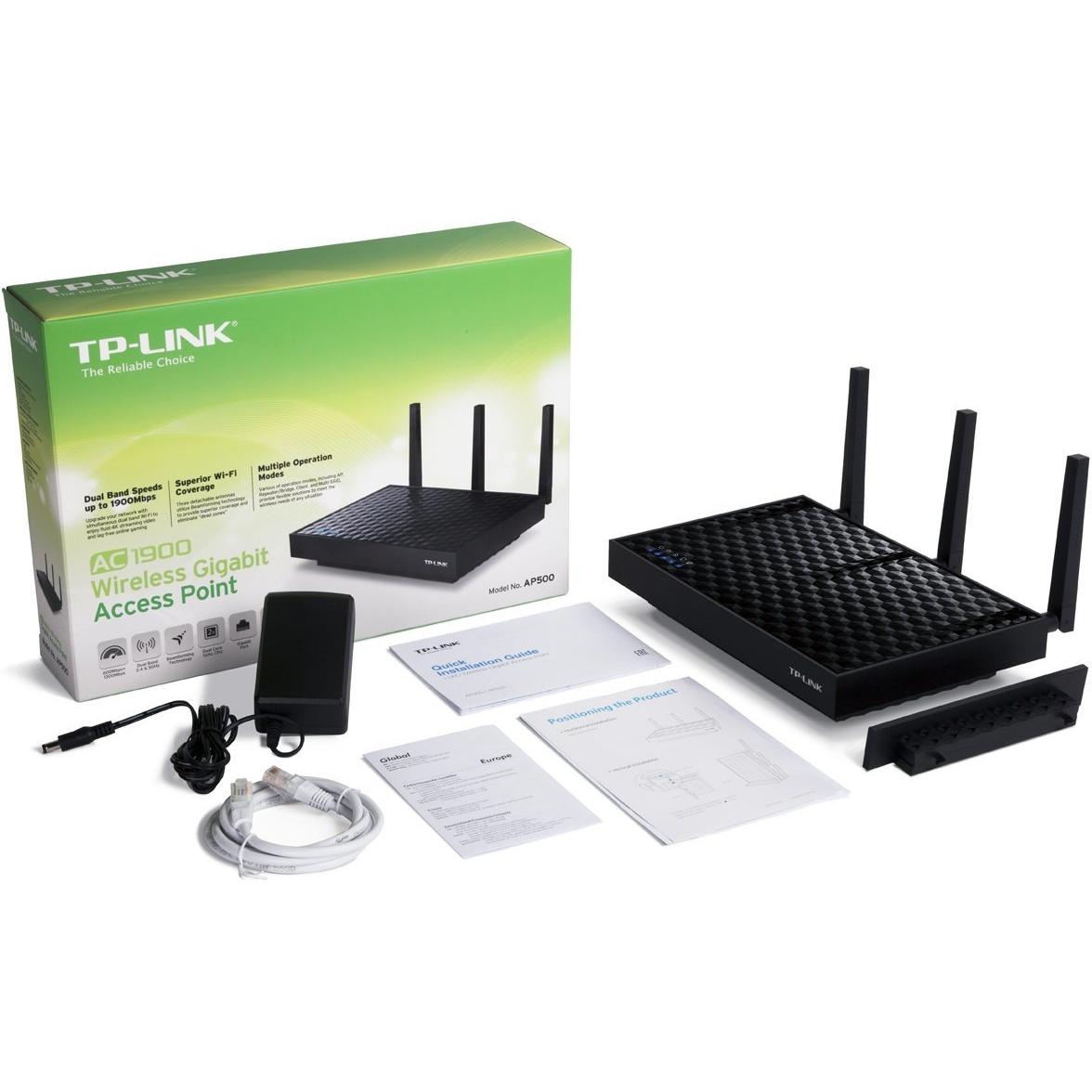


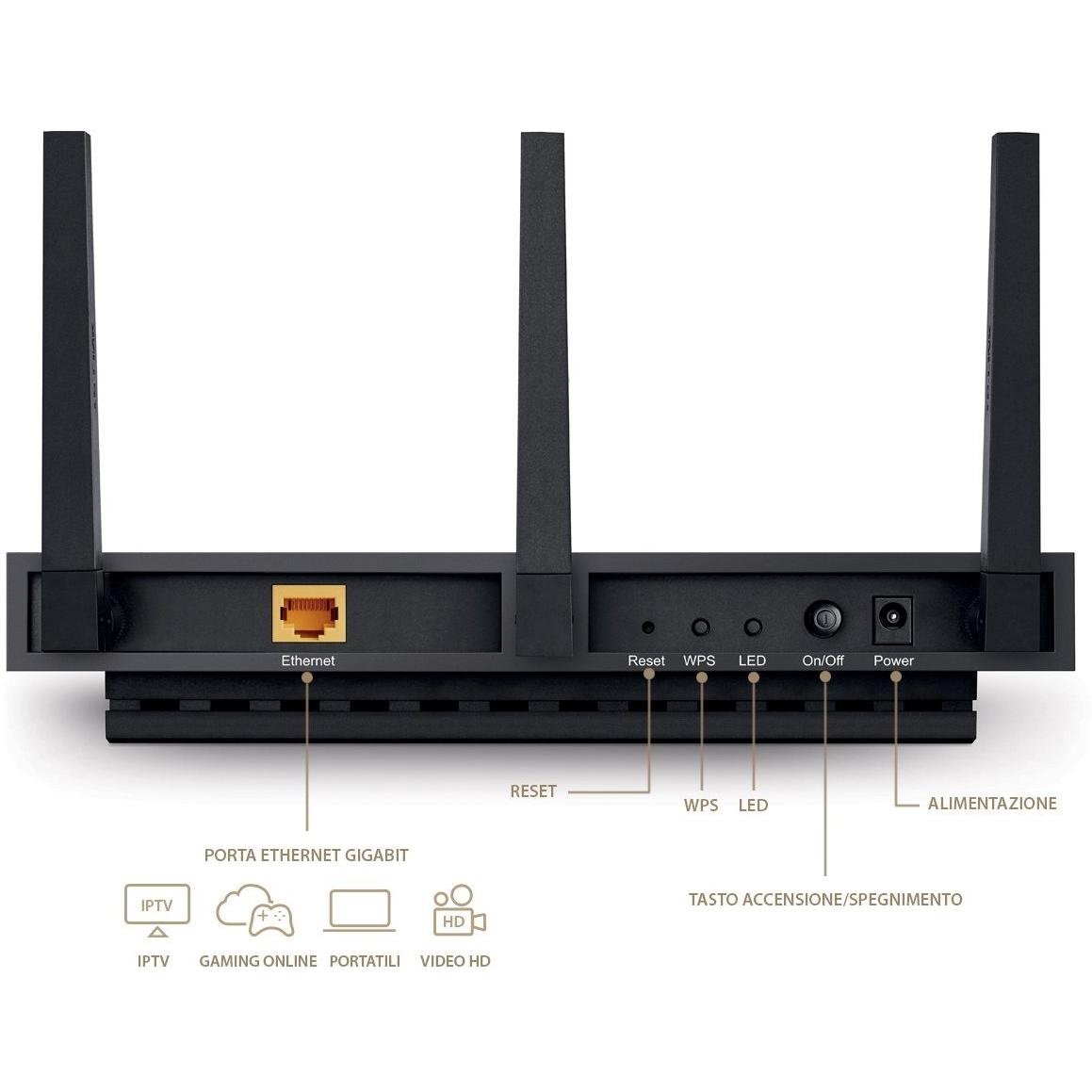
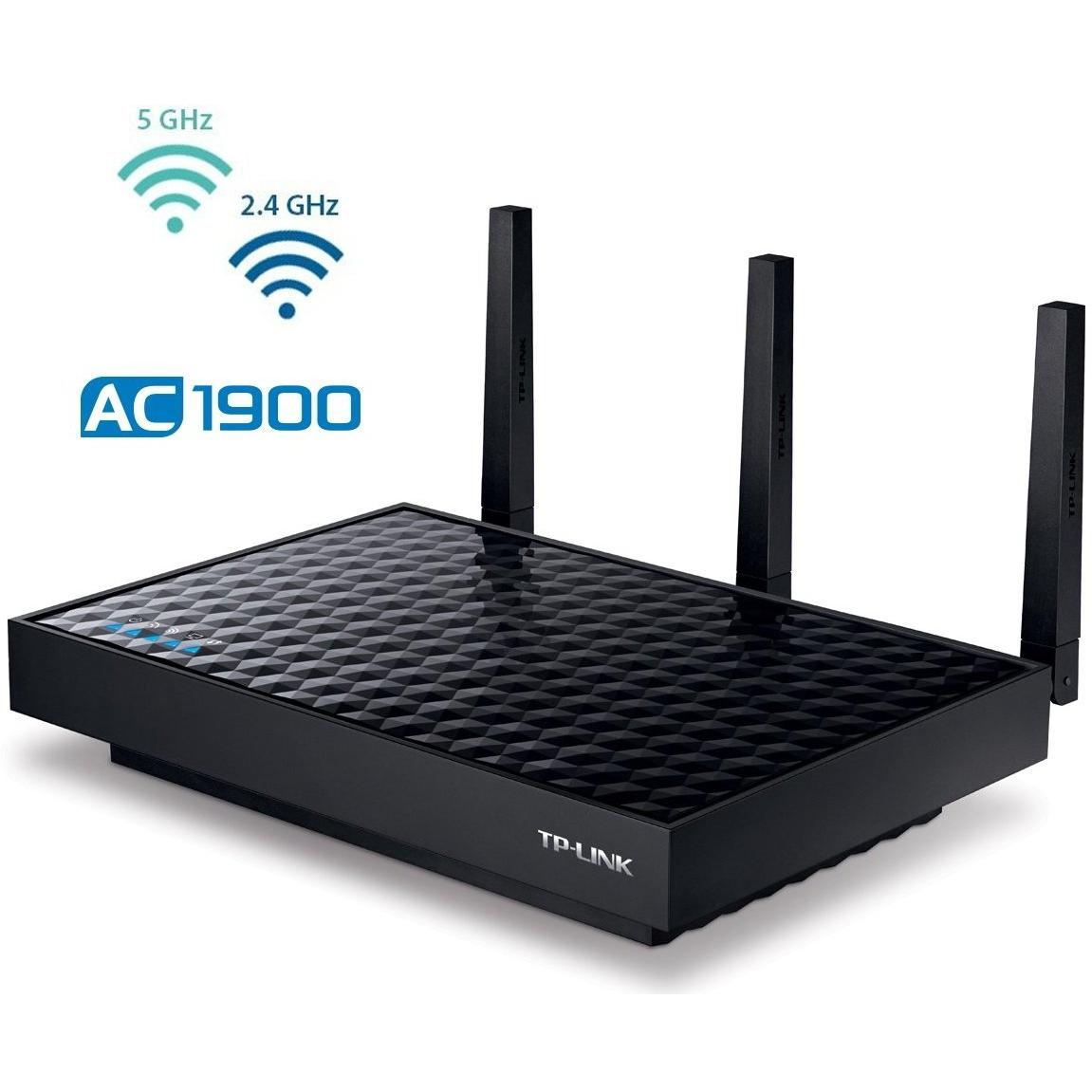
Sponsored This site contains affiliate links for which we may receive compensation. More information
Find other available options:

| Identifiers | |
|---|---|
| Model | TP-LINK AP500 |
| MPN | TP-LINK AP500 |
| Dimensions / Weight | |
| Key Features | |
|
2.4 ghz The radio frequency band used by a wireless device, expressed in gigahertz (GHz). Common values include 2.4 GHz and 5 GHz, which indicate the operating spectrum for Wi‑Fi or other wireless protocols.
|
Yes |
|
5 ghz Indicates whether the device can operate on the 5 GHz frequency band of Wi‑Fi networks.
|
Yes |
|
AC adapter included Indicates whether the product comes with an AC power adapter included in the package. A value of "Yes" means a charger is supplied, while "No" indicates that no charger is provided and the user must obtain one separately.
|
Yes |
|
Antennas quantity The total count of antenna units present on a device or system. It indicates how many separate antennas are installed and can help assess potential signal coverage and performance.
|
3 |
|
Built-in processor Indicates whether the product contains a built‑in central processing unit (CPU) that can execute instructions without requiring an external processor module. A value of "Yes" means the device has such a CPU; "No" means it does not.
|
Yes |
|
Cables included A list of the cable types that are supplied with the product, such as USB, HDMI, VGA, DisplayPort, LAN (RJ‑45), SATA, audio or other relevant connectors.
|
LAN (RJ-45) |
|
Certification A list of official certifications or compliance marks that the product has received from regulatory bodies, safety organizations, or industry standards groups. Each entry represents a distinct certification such as CE, FCC, RoHS, UL, or WEEE, and may include additional details like version numbers or specific test reports.
|
CE, FCC, RoHS |
|
Compatible operating systems List of operating systems that the product can run or support, including specific versions and architectures when relevant. Each value represents a distinct OS that is compatible with the hardware or software.
|
Microsoft Windows 98SE / NT / 2000 / XP / Vista / 7 / 8 / 8.1, Mac OS, NetWare, UNIX, Linux |
| DC-in jack | Yes |
|
Depth The linear measurement of an object from front to back or top to bottom, expressed in a physical unit such as millimeters, centimeters, inches, etc. It indicates how deep the item is and can be used for fitting, compatibility, or spatial planning.
|
162 mm |
|
Ethernet LAN data rates Maximum theoretical speed at which a device can send or receive data over its Ethernet LAN interface, expressed in megabits per second (Mbps) or gigabits per second (Gbps). It represents the upper bound of throughput under optimal conditions and is useful for comparing network performance between devices with wired connectivity.
|
10,100,1000 Mbit/s |
|
Frequency band The operating frequency range of a device expressed in hertz (Hz). It indicates the specific radio frequencies that the product can transmit or receive, whether as a single value (e.g., 2.4 GHz) or a range (e.g., 2.4–5 GHz). This attribute helps users understand the wireless capabilities and compatibility of the device with network standards.
|
2.4 - 5 GHz |
|
Height The vertical dimension of a product measured from its lowest to highest point. It is expressed in a physical unit such as millimetres, centimetres or inches and applies to any item where height is relevant, including books, electronics, furniture and other objects.
|
44 mm |
|
Internal Indicates whether the product is designed to be installed inside a computer system or other device, such as an internal hard drive, SSD, network card, or component. A value of "Yes" means it can be mounted within the chassis; a value of "No" indicates it is intended for external use.
|
No |
|
LED indicators A list of the functions or statuses that an LED indicator on a device can display, such as power status, activity, link, and other operational signals.
|
Power,WPS |
|
Maximum data transfer rate The highest theoretical speed at which a device can send or receive data, expressed in bits per second (bps) or its multiples such as kbps, mbps, gbps, etc. This value represents the upper bound of throughput under optimal conditions and is useful for comparing performance across devices and interfaces.
|
1300 Mbit/s |
|
Mounting kit Indicates whether a product includes a mounting kit that allows it to be securely attached to a wall, rack, or other support structure. The value is typically "Yes" if the kit is included, or "No" if it is not.
|
Yes |
|
Networking standards A list of the networking protocols and standards that a device can support or comply with, such as IEEE 802.11 variants for wireless, IEEE 802.3 for Ethernet, or other relevant networking specifications. The values are typically separated by commas and may include both technical identifiers and consumer‑friendly labels.
|
IEEE 802.11a,IEEE 802.11ac,IEEE 802.11b,IEEE 802.11g,IEEE 802.11n |
|
On/off switch Indicates whether the product includes an on/off switch that allows the user to power it on or off manually.
|
Yes |
|
Package type The form of packaging used for a product, such as box, blister pack, bag, or pallet. It indicates how the item is contained and protected during shipping and storage.
|
Box |
|
Placement A list of the positions or mounting options where a product can be installed, such as indoor, outdoor, wall, desk, floor, ceiling, or universal. Each value represents a distinct placement scenario that the device supports.
|
Table |
|
Processor frequency The fundamental operating frequency of a processor, expressed in hertz (Hz). It indicates the speed at which the CPU runs under normal conditions and is typically reported in gigahertz (GHz) or megahertz (MHz). This value helps users compare performance potential across different models.
|
1000 MHz |
|
Quick start guide Indicates whether a quick‑start guide is provided with the product. A value of "Yes" means that a brief, introductory manual or overview is included to help users get started quickly; "No" indicates that no such guide is supplied.
|
Yes |
|
Reset button Indicates whether the device has a physical reset button that restores factory settings or original configuration when pressed.
|
Yes |
|
Security algorithms Una lista de los algoritmos criptográficos y protocolos de seguridad que el producto soporta, como cifrado (AES, WEP), autenticación (WPA2-PSK, EAP-TLS) o protocolos de red (HTTPS, SSH). Cada elemento describe un algoritmo individual; la lista puede contener varios valores separados por comas.
|
64-bit WEP,128-bit WEP,WPA,WPA-PSK,WPA2,WPA2-PSK |
|
Width The horizontal measurement of a product, expressed in a linear unit such as millimetres or inches. It indicates how wide the item is from one side to the other and is used for sizing, fitting, and compatibility purposes.
|
242 mm |

TP-Link is a brand of networking products that was founded in 1996. The company is headquartered in China, and manufactures a wide range of networking products, including routers, switches, and adapters. TP-Link has a large global presence, and is one of the most popular networking brands in the world.

