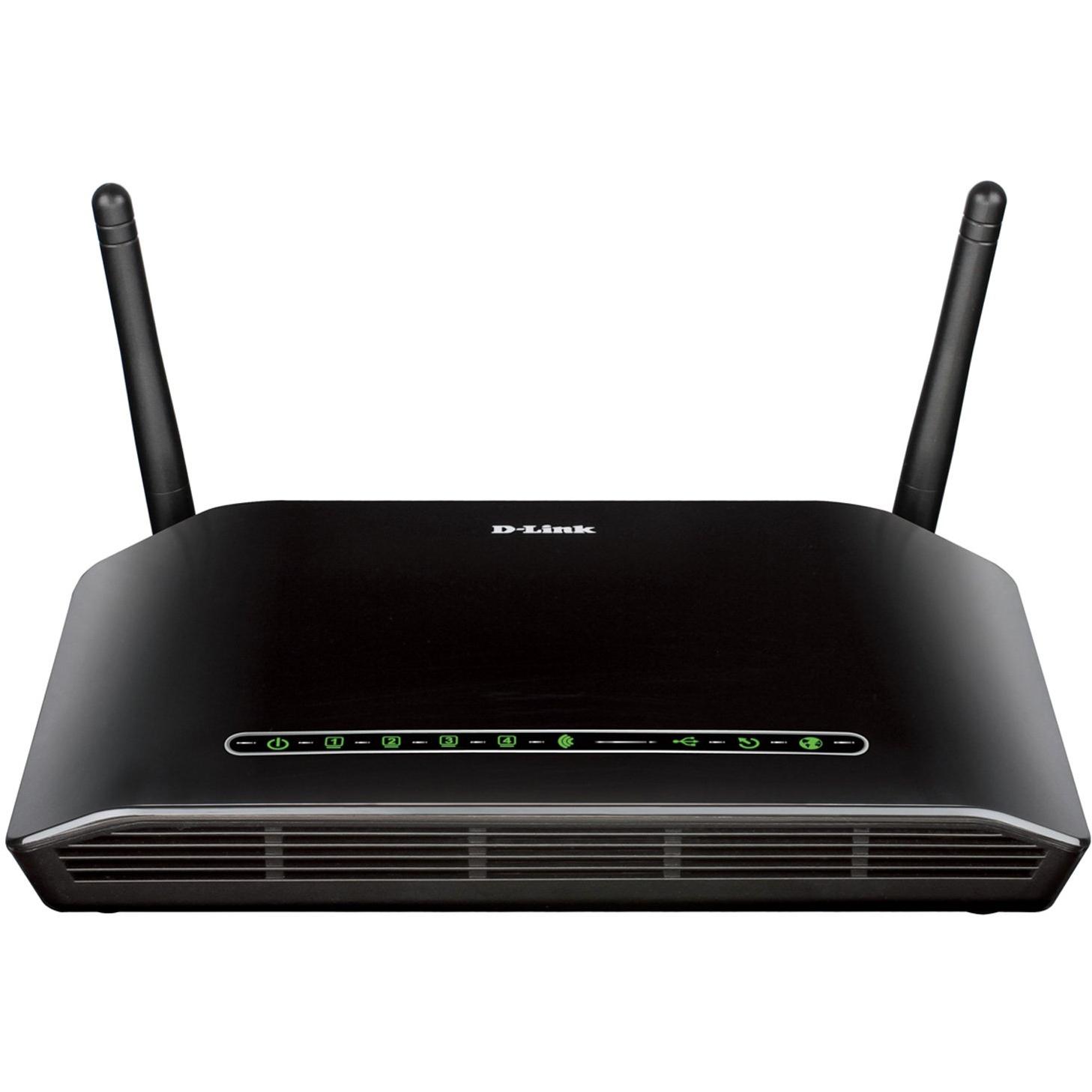
D-Link RangeBooster N DSL-2750B Desktop Router


Sponsored This site contains affiliate links for which we may receive compensation. More information
Find other available options:

| Identifiers | |
|---|---|
| MPN | D-Link Deutschland GmbH 0790069377488 |
| Model | D-Link Deutschland GmbH DSL-2750B/EU |
| Dimensions / Weight | |
| Key Features | |
|
3G Indicates whether the product is capable of connecting to 3G mobile networks (UMTS). A value of "Yes" means the device includes a 3G radio and can use 3G data services; "No" indicates it does not support 3G connectivity.
|
No |
|
4G Indicates whether the product is capable of connecting to a 4G cellular network for data or voice services.
|
No |
|
Antenna type The classification of an antenna used in a device, indicating its physical configuration or mounting style such as external, internal, integrated, directional, omnidirectional, or multi‑antenna setups (e.g., "2x2", "4 x External"). It helps buyers understand how the antenna is attached and what signal coverage it may provide.
|
External |
|
Antennas quantity The total count of antenna units present on a device or system. It indicates how many separate antennas are installed and can help assess potential signal coverage and performance.
|
2 |
|
Cabling technology The type of cable or connector technology used by the product, such as Ethernet standards (e.g., 10/100Base‑T, 1000BASE‑T, 10GBase‑T) or other networking cable types. It indicates the physical medium and protocol supported for data transmission.
|
10/100Base-T(X) |
|
Certification A list of official certifications or compliance marks that the product has received from regulatory bodies, safety organizations, or industry standards groups. Each entry represents a distinct certification such as CE, FCC, RoHS, UL, or WEEE, and may include additional details like version numbers or specific test reports.
|
C-Tick, CE, FCC, IC, WHQL, Wi-Fi, WPS |
| DC-in jack | Yes |
|
Depth The linear measurement of an object from front to back or top to bottom, expressed in a physical unit such as millimeters, centimeters, inches, etc. It indicates how deep the item is and can be used for fitting, compatibility, or spatial planning.
|
182.8 mm |
|
DHCP Client Indicates whether the device supports the DHCP client function, meaning it can automatically request an IP address and related network settings from a DHCP server.
|
Yes |
|
DHCP server Indicates whether the device supports acting as a DHCP server, allowing it to assign IP addresses and network configuration settings to clients on the network.
|
Yes |
|
DSL WAN Indicates whether the product supports a Digital Subscriber Line (DSL) Wide Area Network connection. The value can be any descriptive text such as "Yes", "No", or a specific DSL technology name.
|
Yes |
|
Ethernet LAN Indicates whether the product includes an Ethernet LAN interface for wired network connectivity, allowing data transmission over RJ‑45 or compatible cables.
|
Yes |
|
Ethernet LAN interface type Indica el tipo o estándar de la conexión Ethernet que posee un producto, como Gigabit Ethernet, 10 GbE, 2.5 GbE, Fast Ethernet, etc. Los valores suelen ser textos descriptivos sin unidades numéricas y pueden incluir varias opciones separadas por comas cuando el dispositivo soporta más de una velocidad.
|
Fast Ethernet |
|
Height The vertical dimension of a product measured from its lowest to highest point. It is expressed in a physical unit such as millimetres, centimetres or inches and applies to any item where height is relevant, including books, electronics, furniture and other objects.
|
32 mm |
|
LED indicators A list of the functions or statuses that an LED indicator on a device can display, such as power status, activity, link, and other operational signals.
|
Yes |
|
Mobile network connection Indicates whether a device can connect to the Internet using a cellular network such as 3G, 4G, LTE or 5G. A value of "Yes" means the product has the necessary hardware and software to access mobile data; "No" indicates that this capability is not present.
|
No |
|
Networking standards A list of the networking protocols and standards that a device can support or comply with, such as IEEE 802.11 variants for wireless, IEEE 802.3 for Ethernet, or other relevant networking specifications. The values are typically separated by commas and may include both technical identifiers and consumer‑friendly labels.
|
IEEE 802.11b,IEEE 802.11g,IEEE 802.11n,IEEE 802.3 |
|
Rack mounting Indicates whether a product is designed to be mounted in a rack system. The value can be "Yes" or "No", or it may specify the height occupied by the device using rack units (U) such as "1U", "2U", or a numeric measurement with unit, e.g., "61.25 mm".
|
No |
|
Security algorithms Una lista de los algoritmos criptográficos y protocolos de seguridad que el producto soporta, como cifrado (AES, WEP), autenticación (WPA2-PSK, EAP-TLS) o protocolos de red (HTTPS, SSH). Cada elemento describe un algoritmo individual; la lista puede contener varios valores separados por comas.
|
128-bit WEP,64-bit WEP,802.1x RADIUS,WPA,WPA2,WPS |
|
Top Wi-Fi standard A list of the wireless networking protocols and frequency bands that a device can connect to, such as IEEE 802.11a, IEEE 802.11b, IEEE 802.11g, Wi‑Fi 4 (802.11n), Wi‑Fi 5 (802.11ac) or Wi‑Fi 6 (802.11ax). The values are typically separated by commas and may include both the technical name and a consumer‑friendly label.
|
Wi-Fi 4 (802.11n) |
|
USB Version The specific version of the USB standard that a product supports, expressed as a generation number and optional descriptive suffix (e.g., "3.2 Gen 1" or simply "3.0"). This attribute indicates the data‑transfer capabilities and compatibility with USB devices.
|
2.0 |
|
Web-based management Indicates whether the product can be configured and monitored through a web interface accessible via a browser, allowing remote administration over a local or internet connection.
|
Yes |
|
Weight The mass of the product expressed in a standard unit such as grams or kilograms. It represents how heavy the item is and can be used for shipping calculations, handling instructions, or consumer information.
|
236 g |
|
Wi-Fi standards A list of the wireless networking protocols and frequency bands that a device can connect to, such as 802.11a, 802.11b, 802.11g, Wi‑Fi 4 (802.11n), Wi‑Fi 5 (802.11ac) or Wi‑Fi 6 (802.11ax). The values are typically separated by commas and may include both the technical name and a consumer‑friendly label.
|
802.11b,802.11g,Wi-Fi 4 (802.11n) |
|
Width The horizontal measurement of a product, expressed in a linear unit such as millimetres or inches. It indicates how wide the item is from one side to the other and is used for sizing, fitting, and compatibility purposes.
|
127.8 mm |
|
Windows operating systems supported A list of Microsoft Windows operating system versions that the product is compatible with, including any relevant architecture or edition information.
|
Yes |
|
WLAN data transfer rates supported The highest theoretical speed at which a device can send or receive data over its wireless network interface, expressed in megabits per second (Mbps), kilobits per second (Kbps) or gigabits per second (Gbps). It represents the peak throughput achievable under optimal conditions and allows users to compare the performance of different Wi‑Fi devices.
|
300 Mbit/s |
|
XDSL connection Indicates whether the device supports an XDSL (Digital Subscriber Line) internet connection. A value of "Yes" means the device can be configured to use XDSL (e.g., ADSL, ADSL2+, VDSL) for broadband access; a value of "No" means it does not support XDSL connectivity.
|
Yes |
D-Link Deutschland GmbH


